If you pulled up Walsh Ranch's numbers this month, the headline looks unambiguous. Median resale price sits at $656,000 over the trailing 30 days, up 31.2 percent from a year ago. That is the kind of figure that gets circled in a listing presentation. It is also the kind of figure that hides more than it reveals.
Look one line down on the same market snapshot and the story gets complicated. Median days on market has climbed to 81, up from just 30 a year earlier. The sale-to-list price ratio has slipped to 94.88 percent, down more than four points year over year. A third of active listings have cut their price at least once. Only 7 new listings hit the market in the last 30 days, and just 9 homes actually closed.
A price that is rising while homes sit nearly three times longer and get cut more often is not describing one market. It is describing two markets wearing the same ZIP code, and the gap between them is the thing worth understanding before you list a resale home in Walsh or shop for one.
Where the New Supply Is Landing
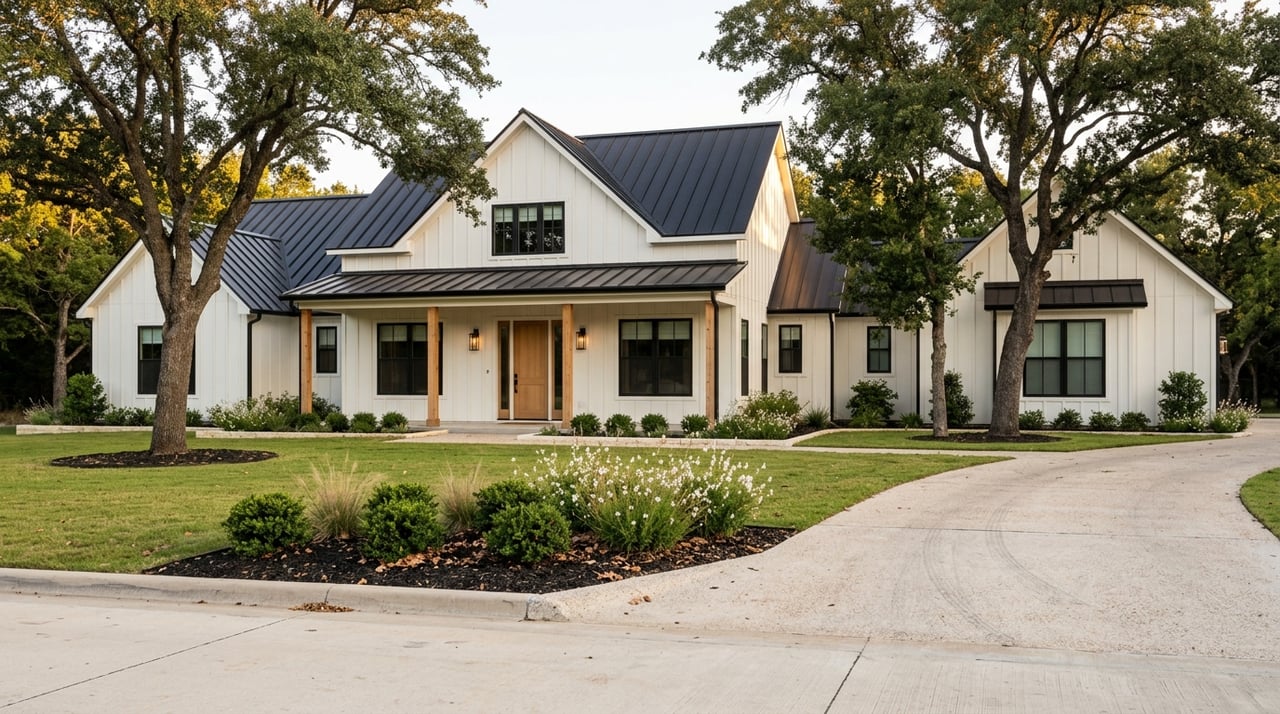
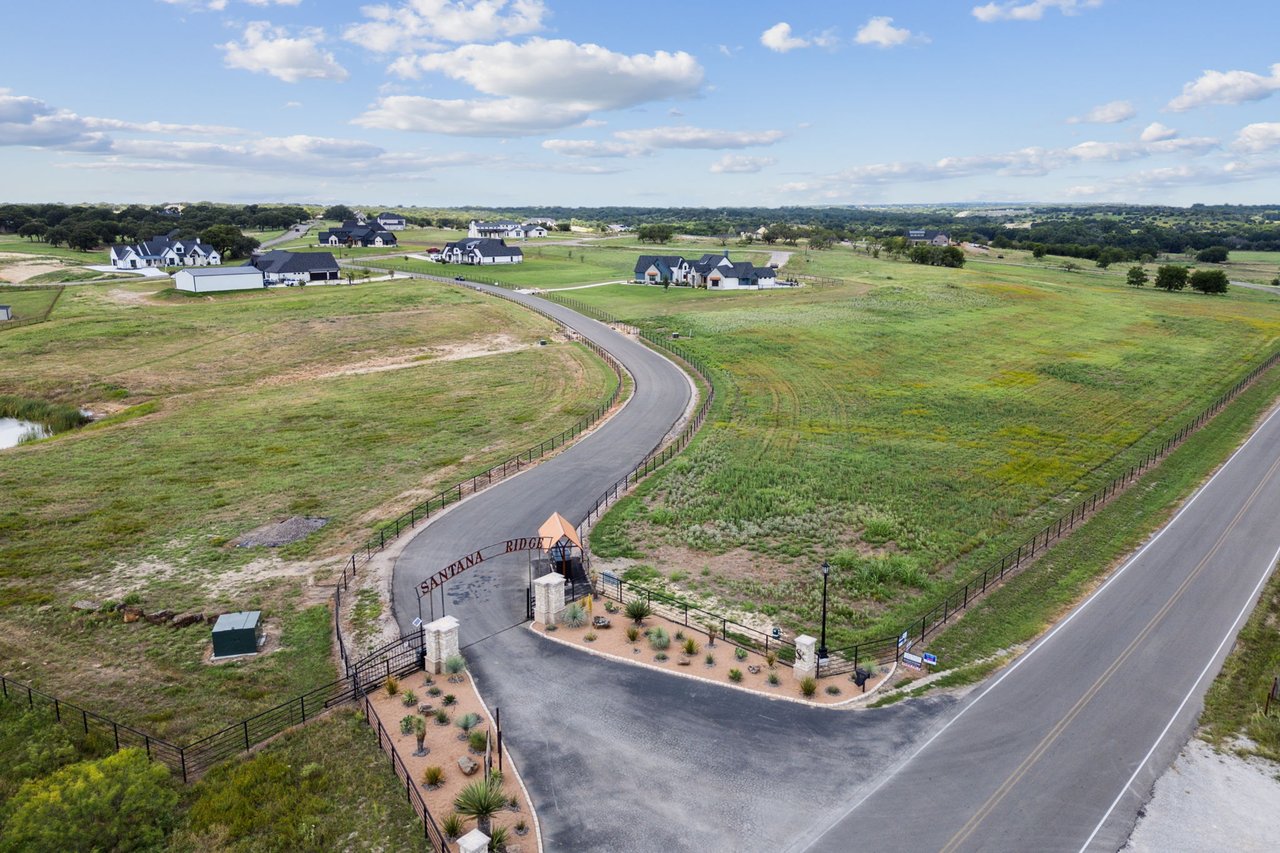
The reason resale homes are sitting longer isn't mysterious once you see what Republic Property Group has been building. According to reporting from Fort Worth Report, Walsh is adding roughly 959 new lots, extending the Lake Park neighborhood south and east toward Cline Park. Lot deliveries are already underway, with more scheduled throughout 2026 and into 2027.
The builder lineup is also expanding. Britton Homes, Perry Homes, Drees Homes, David Weekley Homes and Highland Homes are joined by a new addition to the Walsh roster: Hark Homes. Seth Carpenter, senior vice president at Republic Property Group, described the expansion as part of a long-term plan to keep Walsh growing as a connected community that serves both current residents and the families still moving in.
That framing matters, because it tells you this isn't a one-time bump in inventory. It's a sustained pipeline of new product landing in the same community where resale sellers are trying to compete.
The Price Band That's Actually Competing With Your Listing
Separate from the Lake Park and Cline Park lot expansion, Walsh has also been building out a walkable phase called The Village, positioned next to future retail and restaurants. Townhomes there start in the mid-$400s, with homes on larger lots starting in the mid-$500s, built by David Weekley Homes, Highland Homes, High Street Homes and Village Homes.
Set that against the $656,000 resale median. A buyer with a budget in the mid-$500s to low-$600s now has a real choice inside Walsh: a resale home in an established section, or a brand new townhome or single-family home a short walk from the amenities that made Walsh appealing in the first place, purchased directly from a builder with its own warranty.
Builders are also sweetening that choice in ways resale sellers can't match. David Weekley Homes is currently offering financing incentives worth up to 7 percent of a home's base price toward discounts and design selections on new purchases in the Dallas-Fort Worth area, an offer that runs through the end of 2026. When a builder can hand a buyer thousands of dollars in credit on top of a comparable price point, a resale listing has to work harder to hold attention, let alone hold its asking price.
| Resale (trailing 30 days) | New construction (current pricing) | |
|---|---|---|
| Typical price | $656,000 median | Townhomes from mid-$400s, larger lots from mid-$500s |
| Days on market | 81, up from 30 a year ago | Builder-dependent, often faster with incentives |
| Price flexibility | 33% of listings have cut price | Up to 7% in builder discounts and design credits through Dec. 31, 2026 |
The median price didn't rise because every home in Walsh got more valuable overnight. It rose because of which homes happened to close in a given 30-day window, a figure that swings hard when only 9 sales make up the sample. Meanwhile the homes that didn't close, the ones still sitting, are competing against a builder that can discount and a phase that can offer something no resale home can: brand new construction a few blocks from a market, a gym, and soon, actual storefronts.
What This Means If You're Selling in an Established Section
If your home is in one of Walsh's earlier phases, the neighborhood-wide price headline is not your headline. The relevant numbers are the ones your specific comps are producing, and right now those comps include a rising share of price reductions and a sale-to-list ratio under 95 percent.
A few things worth doing before you list:
- Price against what's actually closing in your section, not the community-wide median, since a handful of higher-end sales elsewhere in Walsh can pull that number up without reflecting your street.
- Ask what incentive-equivalent value you can offer, whether that's a rate buydown, a closing cost credit, or simply sharper pricing from day one, since 81 median days on market means buyers have room to wait you out.
- Get ahead of the comparison a buyer will make in their head between your home and a new-construction option nearby. If your home doesn't have an obvious answer to "why not just buy new," your listing presentation needs one.
What This Means If You're Buying
For a buyer comparing resale and new construction inside Walsh, the calculus has shifted in your favor either way, just for different reasons.
Buy resale and you're negotiating in a market where the sale-to-list ratio has fallen below 95 percent and a third of sellers have already adjusted price once. That is room to negotiate that didn't exist a year ago, when homes were moving in a median of 30 days.
Buy new construction in the Village phase or one of the newer Lake Park sections, and you're buying into current builder incentives, a fresh warranty, and proximity to amenities that are still being built out around you. You're also buying at a price point, mid-$400s to mid-$500s for many of these homes, that sits meaningfully below the resale median, which is worth knowing if the $656,000 figure made you assume Walsh had priced you out.
Neither path is automatically the better deal. The point is that treating Walsh as one market with one price is the mistake. It is two markets right now, and the numbers behave differently depending on which one you're actually shopping.
A Few Questions Worth Answering Directly
Does the median price jump mean my specific home is worth 31% more than last year? Not necessarily. The median reflects the mix of homes that happened to sell in a 30-day window, and with only 9 closings in that window, one or two higher-priced sales can move the number significantly. Your home's value depends on its own comps, not the community-wide figure.
Should I wait to sell until the new construction pipeline slows down? That's a harder call, since Republic Property Group has lot deliveries scheduled through 2027, meaning new supply isn't a short-term event. Builder incentives like David Weekley's 7 percent offer are also tied to specific windows, currently running through the end of 2026, so waiting doesn't guarantee less competition. It's a conversation worth having with real numbers on your specific section, not a general assumption either way.
If you're trying to figure out where your home actually sits against this market, or you're weighing a resale purchase against what's landing in the new phases, that's exactly the kind of comparison Anabel Wright can walk through with you street by street. Request a Free Home Valuation and get a read on your home's actual position, not just the community median.