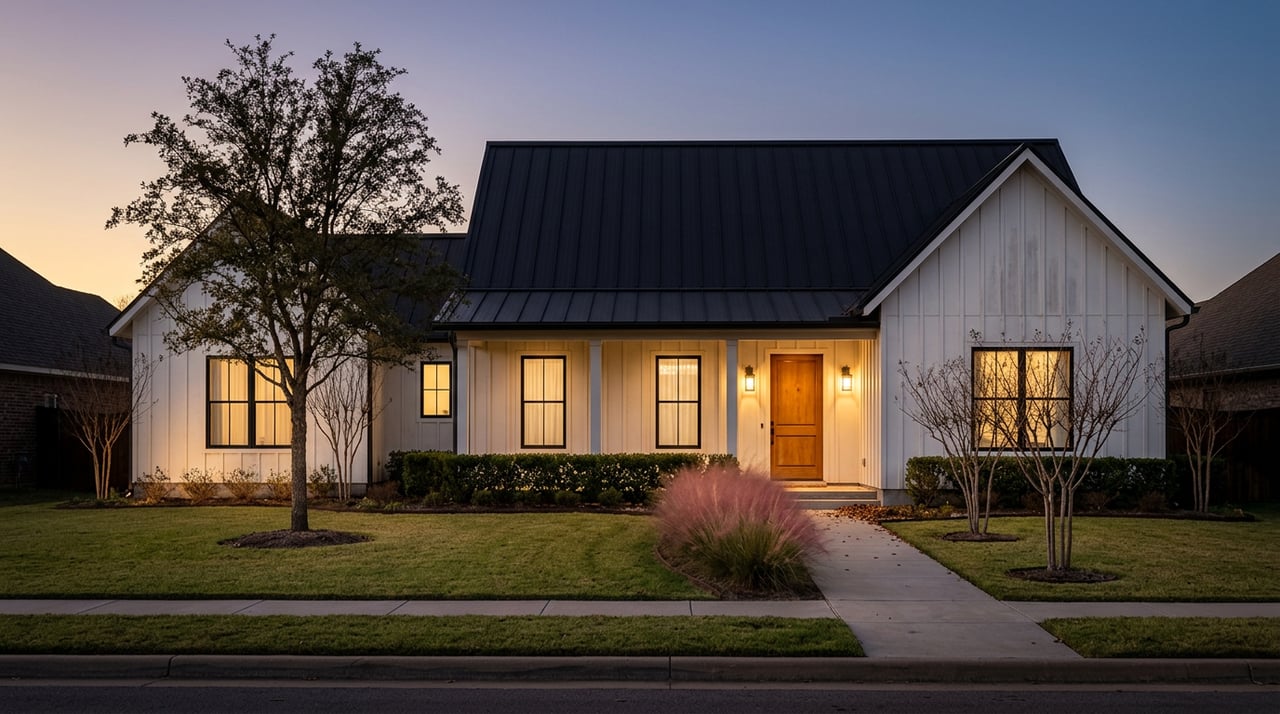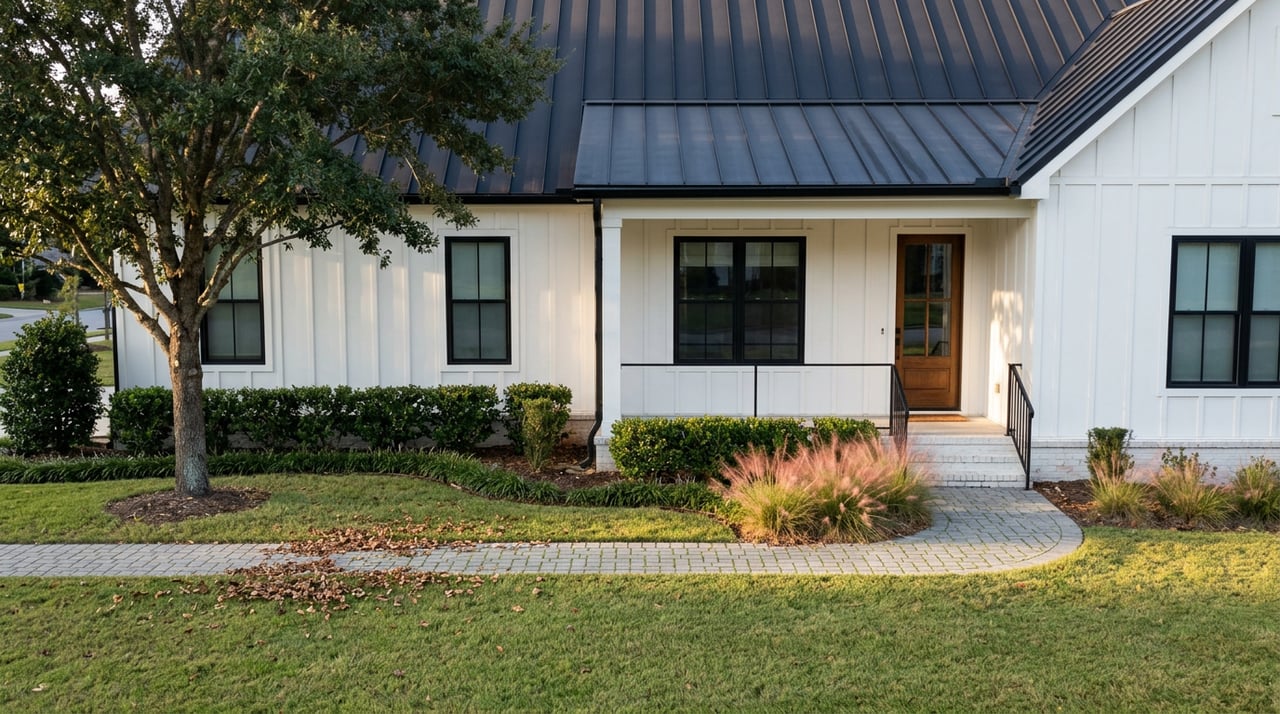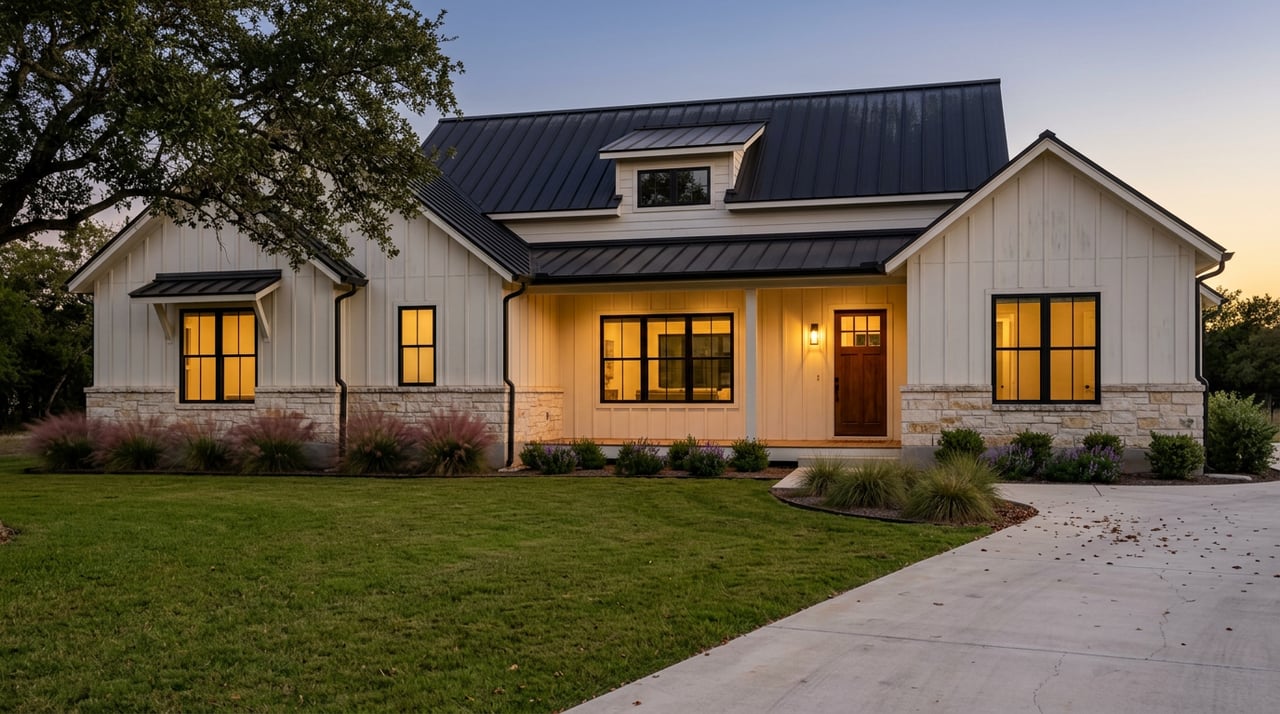
The number that moves a Walsh offer in 2026 is not the HOA dues. It is the second assessment sitting quietly on the property tax bill, and for newer sections of the community it roughly doubled this year.
Fort Worth Public Improvement District No. 16, which covers the Walsh Ranch/Quail Valley footprint, has always been a separate line item from the monthly HOA. What changed is the size of that line. According to Walsh's own facts page, the PID assessment rate increased from roughly $0.18 to $0.36 per $100 of projected value in 2026, while homes built in planning areas 1, 2, and 3 remain at approximately $0.18. If you are writing an offer on a home in a newer section, your annual carrying cost is being quoted in a market that has not fully adjusted to that change.
The Rate Change, In Plain Numbers
The doubling matters because Texas PID assessments are collected by the City in the same manner and at the same time as ad valorem taxes. That means the charge flows through your escrow account and your monthly mortgage payment, not a separate HOA invoice you can budget around.
Here is how the two rate bands compare on a hypothetical $850,000 projected value:
| Planning area | PID rate per $100 | Annual PID installment | Approx. monthly impact |
|---|---|---|---|
| Improvement Areas 1–3 (legacy) | ~$0.18 | ~$1,530 | ~$128 |
| Newer planning areas (2026) | ~$0.36 | ~$3,060 | ~$255 |
That gap is the entire thesis of this post. Two nearly identical Walsh homes, listed within a few thousand dollars of each other, can carry a materially different monthly cost once the PID installment is added to principal, interest, taxes, insurance, and HOA. The listing photos will not tell you which side of that line the parcel sits on.
Where Your Lot Sits Matters More Than the List Price
Fort Worth created PID No. 16 on September 27, 2016 for the principal purpose of financing certain public improvements that specifically benefit the District property. The district was then divided into Improvement Areas as development phased in, which is why the rate you pay is tied to when and where your specific lot was platted.
The dollars behind those Improvement Areas are not hypothetical. Per the City's Mayor and Council communication on PID 16, special assessments on property within Improvement Area No. 1 will pay for $6,350,000 in improvements, including $5,712,973 for paving and $637,027 for landscaping, and assessments on property within Improvement Area No. 2 will fund $5,850,000 in improvements, including $5,013,225.60 for paving and $836,774.40 for landscaping. The updated 2025 Service and Assessment Plan added a third tranche, with a total principal amount of reimbursements payable to the Developer under the Improvement Area #3 Reimbursement Agreement of $10,750,000.
The practical read: the PID is not a fee for amenities. It is a 30-year repayment mechanism for the streets, drainage, and landscaping that made your subdivision possible. Whether that repayment sits at $0.18 or $0.36 on your bill depends on which Improvement Area your address falls into, not on how the home shows.
That distinction is what a buyer's offer should turn on. If two lots are listed at the same price and one sits in a legacy Improvement Area, that home effectively costs less to own, month over month, than the newer-phase house next door.
What the Assessment Is Actually Financing
The City's PID page is direct about scope. PID 16, established in 2016, supports major public infrastructure within the Walsh Ranch master-planned community, including streets, drainage, utilities, and parks. None of that funding overlaps with the Walsh HOA, which handles amenity access, front yard maintenance, and 2GB internet through Insight Association Management.
Two additional mechanics are worth knowing before you sign:
- Interest on the underlying bonds is not fixed forever. Each Assessment shall bear interest at the rate on the Improvement Areas #1-3 Bonds, and the effective interest rate on those bonds is 5.32 percent for Fiscal Year 2025. That rate feeds into the annual installment calculation.
- The developer is being reimbursed on a schedule. Unless and until bonds are issued, the developer is entitled to interest on the unpaid reimbursement amount at the rate of six percent in years one and two, and five percent in years three through thirty. Your annual installment is part of how that reimbursement gets paid down.
Neither of those is a red flag. They are the reason the assessment exists, and they are why the number on your tax bill has a defined 30-year life rather than being open-ended like an HOA increase.
The Disclosure Your Seller Owes You
Texas law requires a specific PID disclosure notice at the point of sale for any property inside a Public Improvement District. That notice states the annual installment amount, the total assessment, and the years remaining. If it is missing from the seller's disclosure packet, ask for it in writing before your option period ends. The document is your single cleanest picture of the actual dollars, because each Annual Service Plan Update shall include updated Assessment Rolls and a calculation of the Annual Installments for each Assessed Property, and Administrative Expenses shall be allocated among Assessed Properties in proportion to the amount of the Annual Installments. In other words, the roll is parcel-specific. A neighbor's number is not your number.
The City's own service plan documents for PID 16 are available on the Fort Worth PID 16 page, and the full 2025 Service and Assessment Plan is posted here. Both are worth pulling before you finalize your offer, especially if you are cross-shopping across planning areas.
Four Questions to Resolve Before You Waive Financing
Every Walsh contract benefits from these four asks. In practice, most surprises at closing come from skipping one of them.
- Which Improvement Area is this parcel in? The answer determines whether you are at the ~$0.18 legacy rate or the ~$0.36 newer rate.
- What is the current annual installment on this specific lot? The Assessment Roll for the current year lists it by parcel.
- How is the installment being escrowed by the lender? Because Annual Installments may be collected in the same manner and at the same time as ad valorem taxes, and shall be subject to the penalties, procedures, and foreclosure sale in case of delinquencies as set forth in the PID Act, most lenders escrow it with property taxes. Confirm.
- When is the next Annual Service Plan Update? That update can adjust the installment amount within the parameters of the plan, and it is public record.
If your agent cannot answer those four in writing, the offer is not yet ready to remove financing.
A Short FAQ
Does every Walsh home carry a PID assessment? Only properties inside the boundaries of PID No. 16 do. The 2016 creation resolution encompassed approximately one-fourth of the entire Walsh Ranch property, and full development of the PID will encompass multiple phases that occur over several years. Confirm the parcel boundary before assuming either way.
Is the PID assessment tax-deductible? Treatment depends on your individual tax situation and how the installment is categorized. This is a question for a CPA, not your agent, and it should be asked before you sign, not after.
Does the PID rate ever go down? The assessment amortizes over a 30-year term, and once the underlying bonds and developer reimbursements are paid off within that schedule, the associated portion of the assessment ends. The Annual Service Plan Update is the document that shows where you are in that schedule.
Is a Walsh home with a PID a worse deal than a Parker County home without one? Not automatically. The PID is what paid for infrastructure a private buyer would otherwise have absorbed through a higher purchase price or a higher HOA. It is a different way of allocating the same underlying cost. The mistake is not the PID itself. The mistake is comparing two homes on price alone without pricing the assessment into the monthly.
If you are writing an offer in Walsh this quarter, the PID line is now the single most important number on the tax bill to understand before you commit. Anabel Wright works through the Assessment Roll, the disclosure, and the escrow math with every Walsh buyer she represents, in English or Spanish, so the number that shows up in your first mortgage statement is the number you already agreed to. Request a free home valuation or a buyer consultation to get the parcel-specific figures pulled before your option period closes.