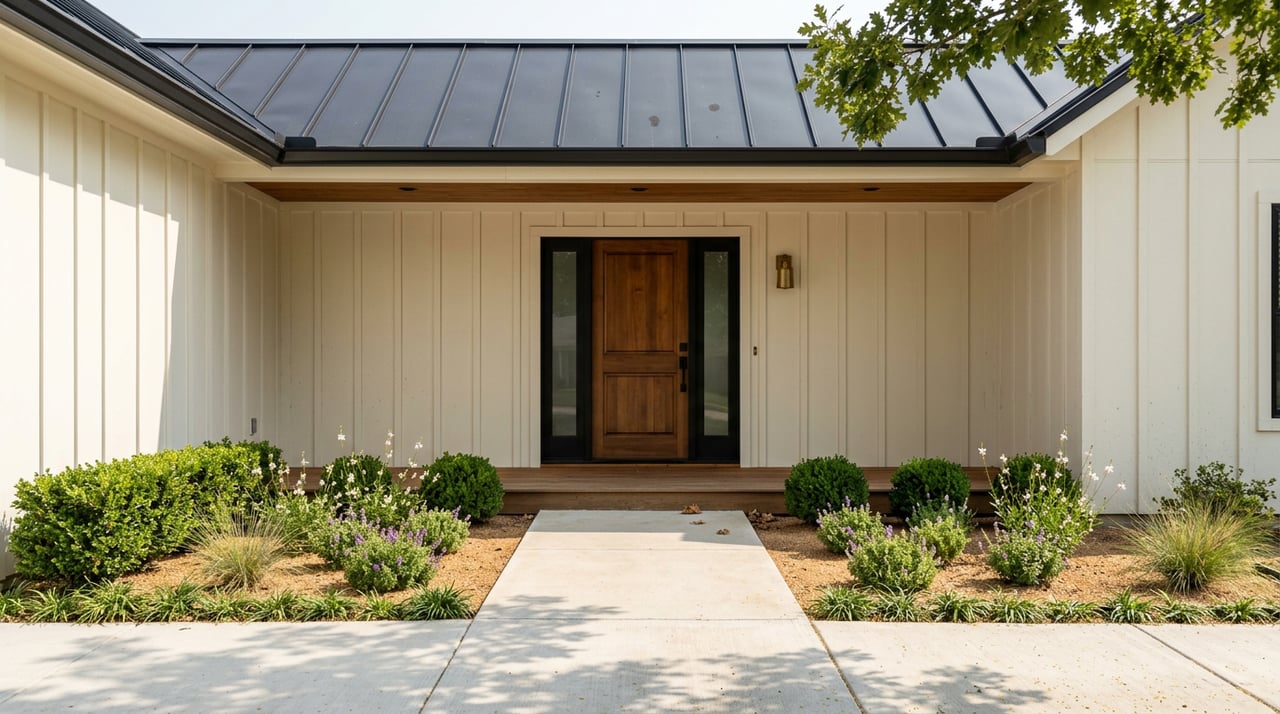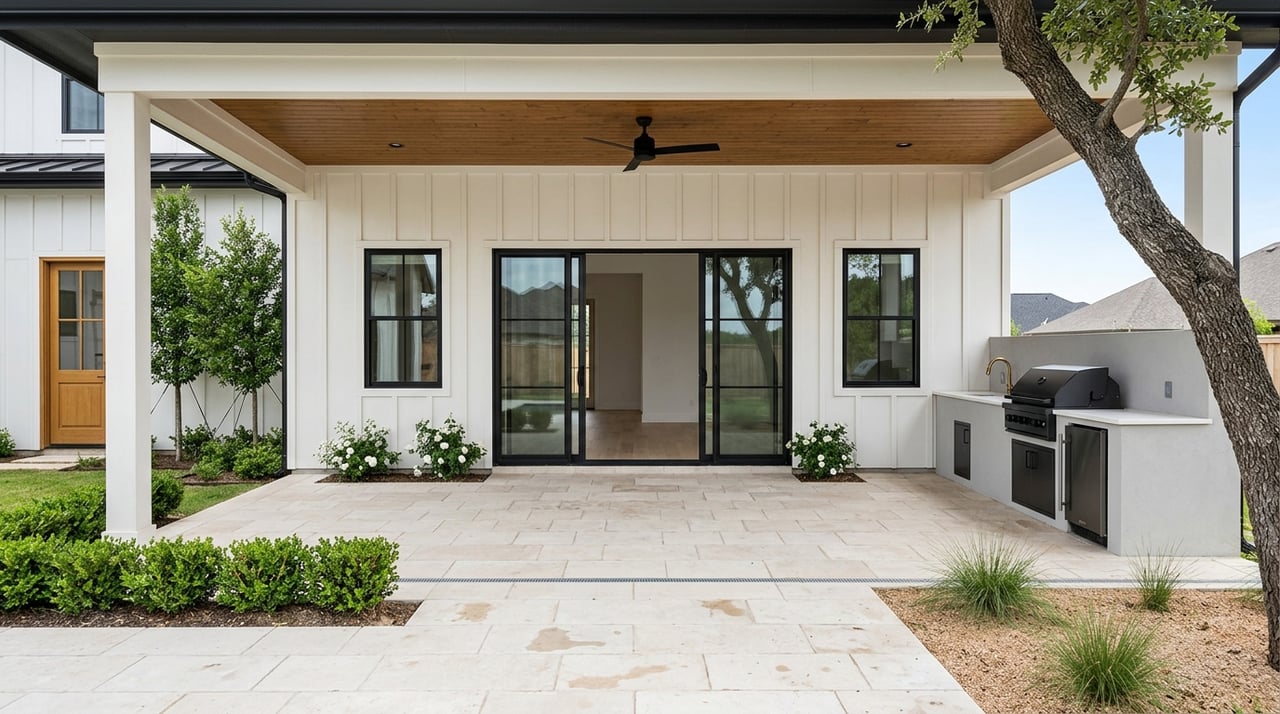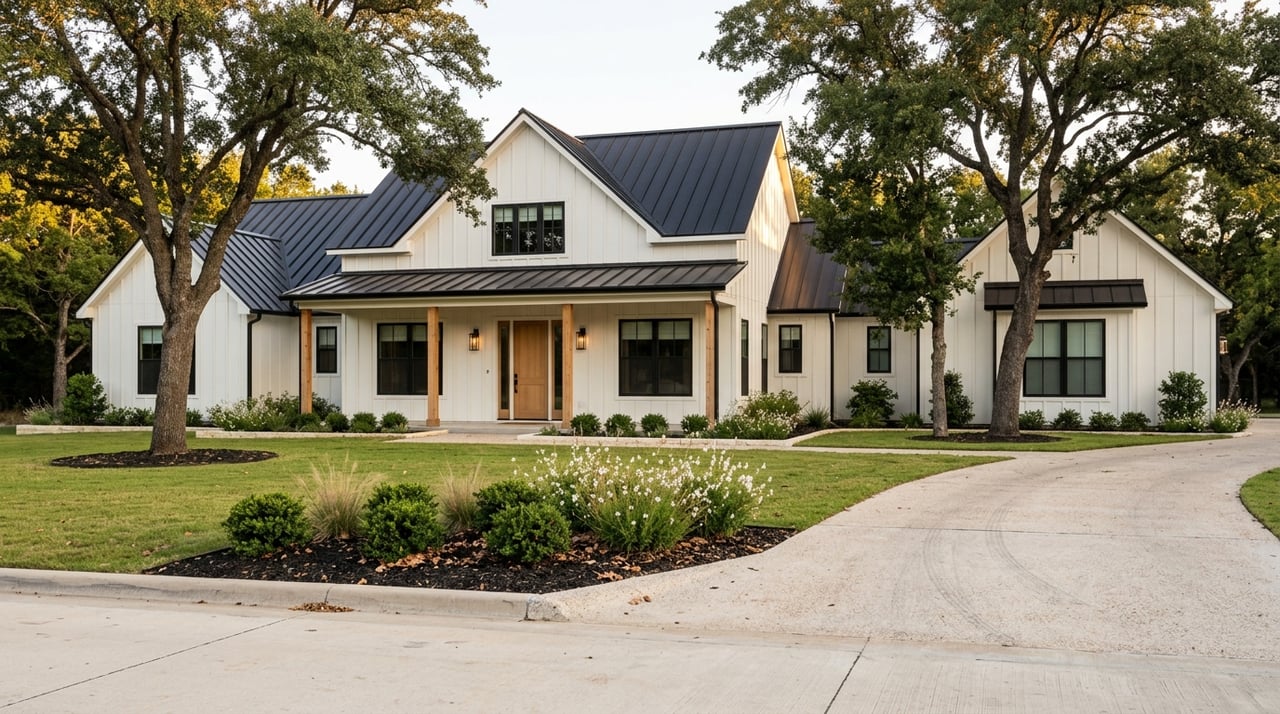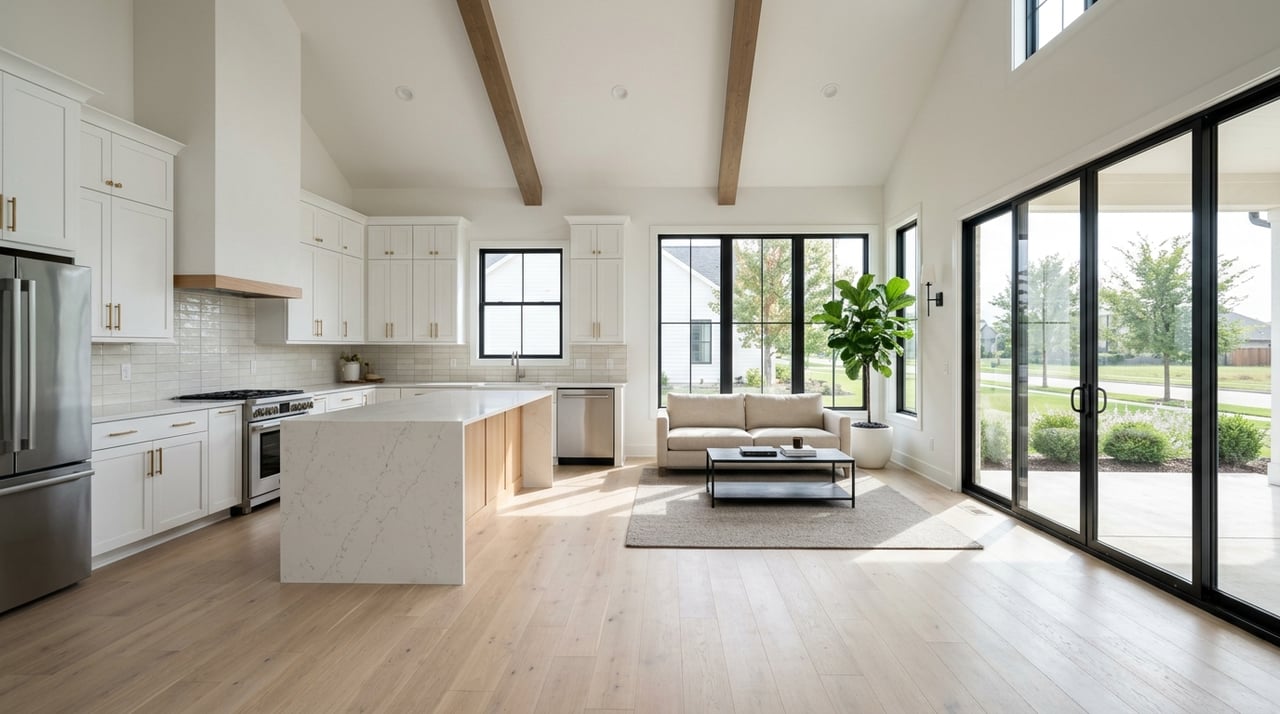
Buying in La Madera should feel exciting, not confusing. If you are eyeing this Aledo community for its newer homes, larger lots, and calm setting, you want a clear path from first tour to keys in hand. In this guide, you will learn the typical Texas timeline, how the option period works, what to watch for with HOAs and utilities, and smart local steps that protect your budget. Let’s dive in.
La Madera at a glance
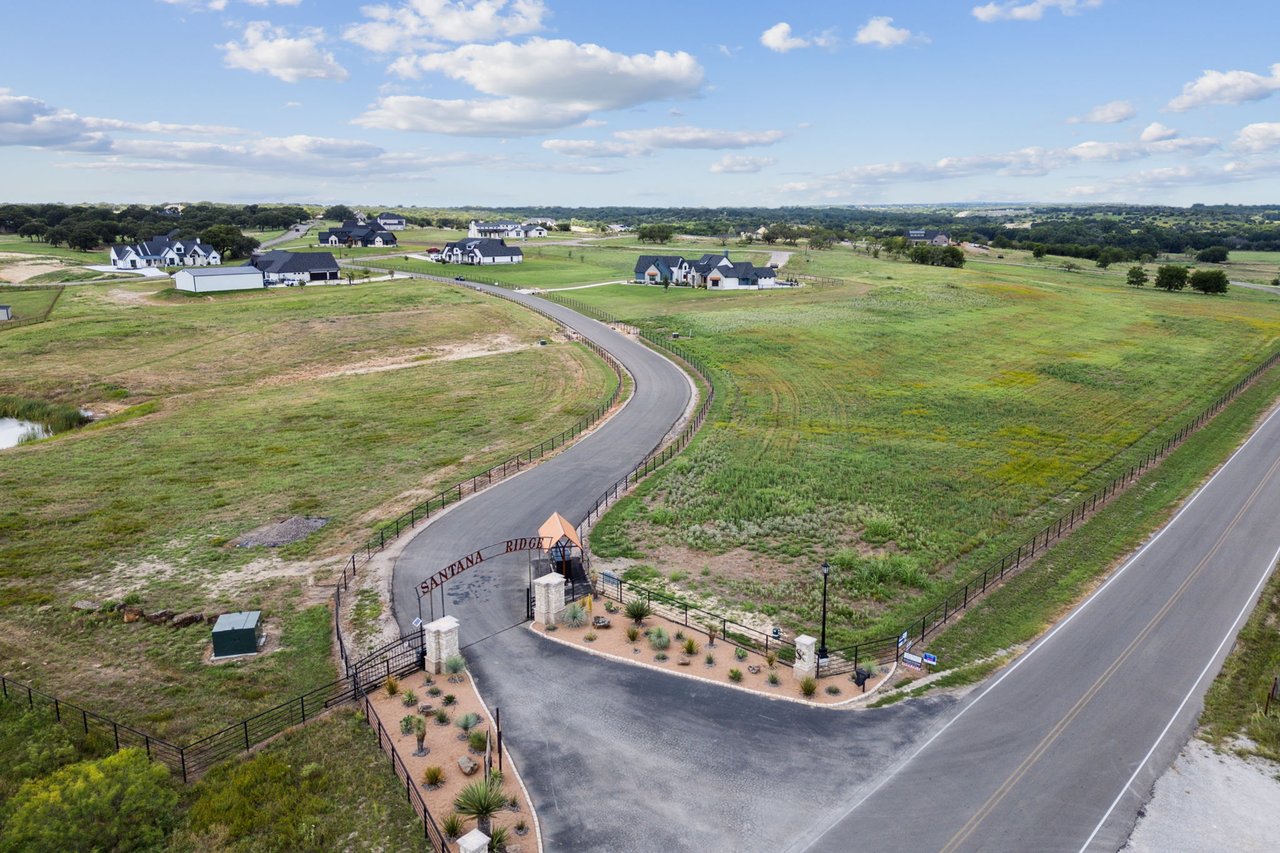
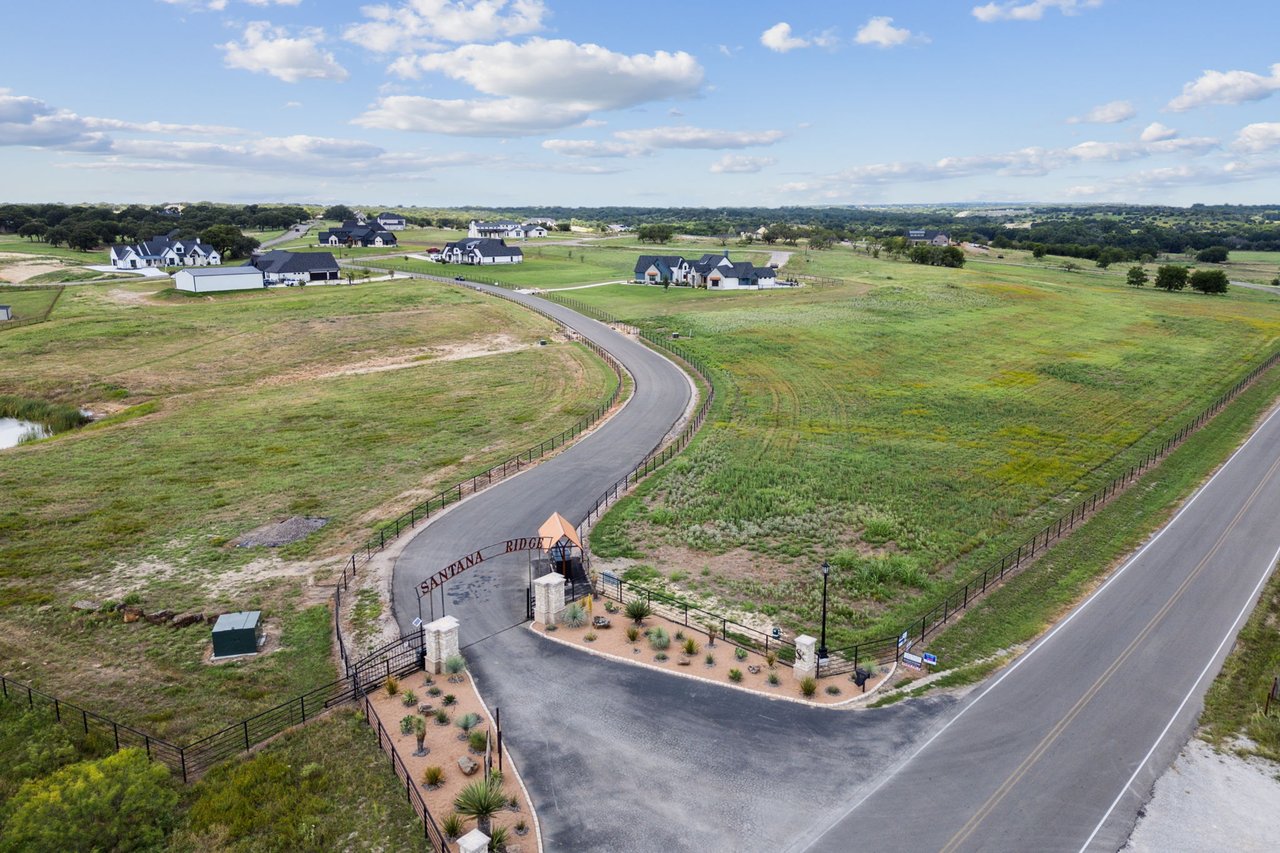
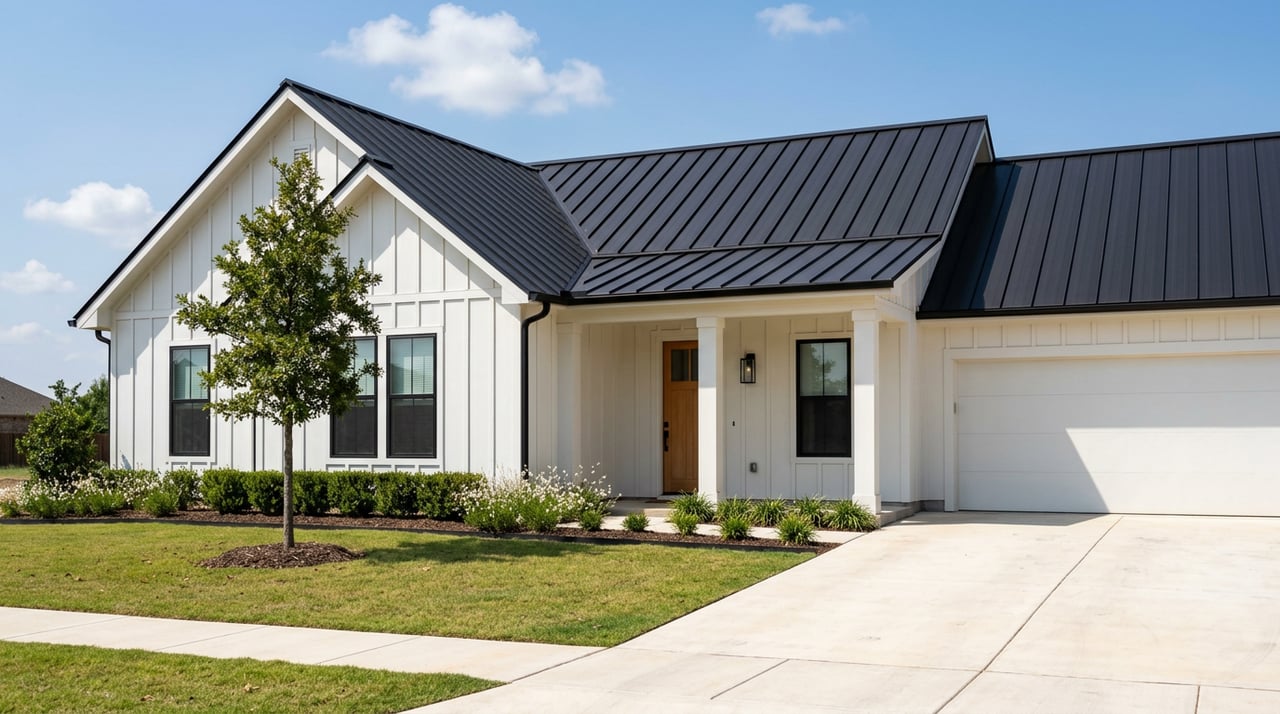
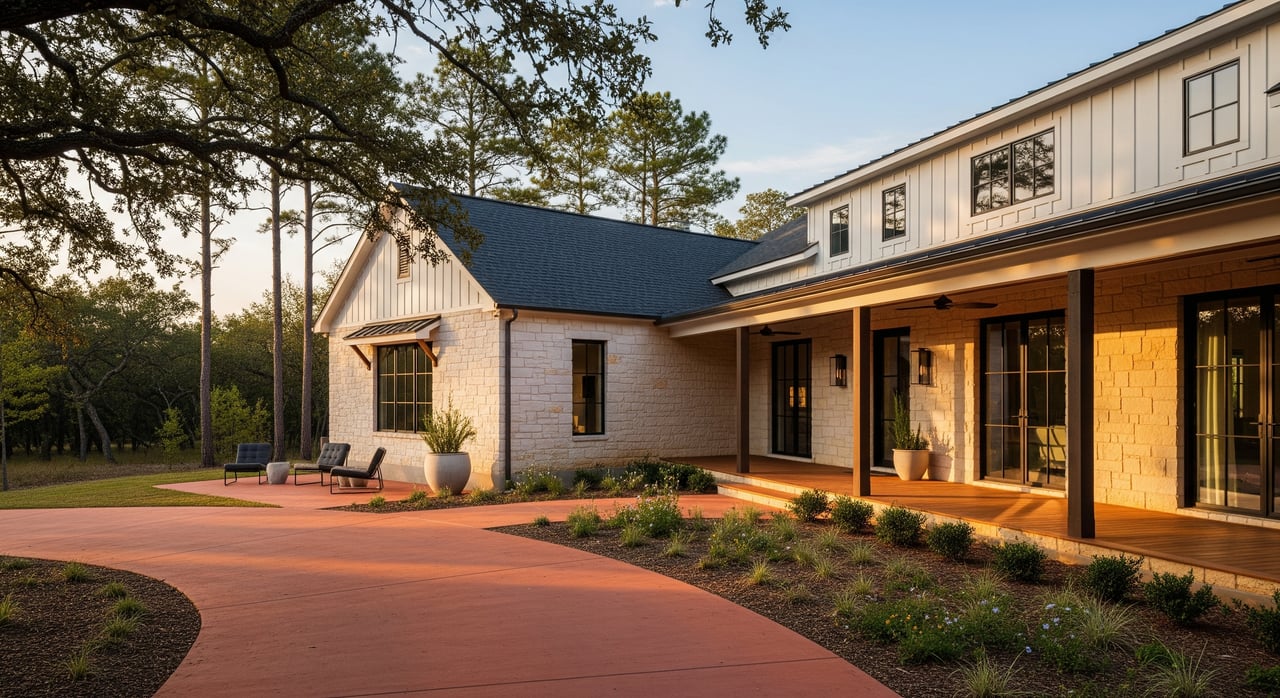
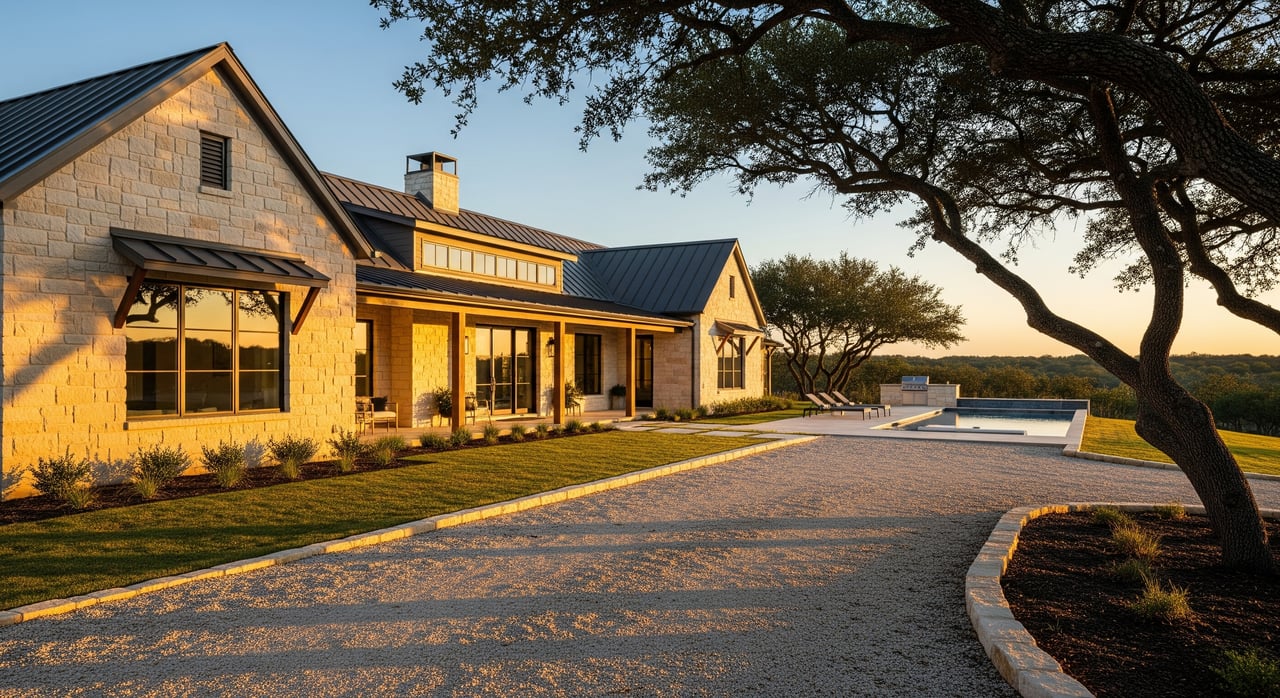
La Madera sits in Aledo in Parker County, west of Fort Worth. You will see a mix of newer construction, estate‑style lots, and nearby acreage properties. Buyers here often focus on lot size, neighborhood rules, and commute flexibility. School district boundaries can vary by address, so verify your specific property with the local district.
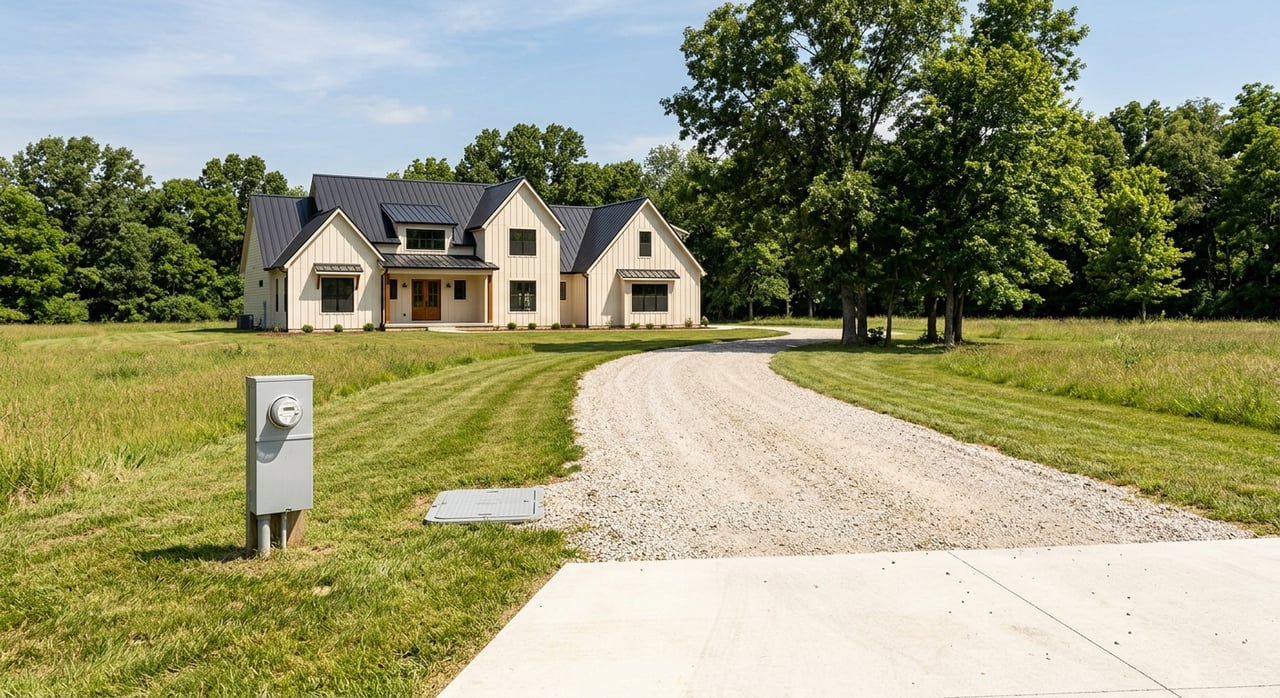
Lot types in and around La Madera often include detached single‑family homes on 0.5 to 2 acre lots, spec homes from regional builders, and occasional small acreage parcels nearby. Before you get serious, confirm water source, sewer or septic, electric provider, and broadband options. Also look for any easements, setbacks, topography, and drainage that could affect how you use the yard or plan future projects.
Buying timeline in La Madera
Step 1: Get ready (0 to 4 weeks)
Start with a mortgage pre‑approval so you know your numbers and can move fast on the right home. Use this time to compare neighborhoods, drive the commute during peak hours, and review whether an HOA fits your plans. A local buyer’s agent who knows Parker County can help you evaluate utilities, lot conditions, and recent sales.
Step 2: Tour homes and write an offer
When a home fits, your agent will prepare your offer using Texas Real Estate Commission forms that are standard in Texas. You will include earnest money and request an option period. Earnest money is held by the title company, and the amount is negotiable. Many buyers offer around 1 to 2 percent of the price in competitive markets, but your exact strategy should match current conditions.
Step 3: Option period and inspections
Texas buyers commonly negotiate an option period that grants an unrestricted right to terminate within an agreed number of days. You pay an option fee to the seller for that right. Option periods often run 5 to 10 days, and option fees are typically modest, such as 100 to 500 dollars, though both are negotiable.
During this window, complete inspections and review the findings with your agent. Schedule a general home inspection and add specialty checks as needed, such as wood‑destroying insect, roof, HVAC, and if applicable, septic and well inspections. Inspectors usually deliver reports within 24 to 72 hours. You can negotiate repairs or credits based on the results.
Step 4: Appraisal and underwriting
Your lender will order an appraisal and move your file through underwriting. If the appraisal meets or exceeds the contract price, your loan proceeds as planned. If it appraises low, you and the seller can renegotiate price, you can bring extra cash, or you can contest the appraisal. Conventional loans commonly close in 21 to 45 days. FHA and VA loans may add requirements, which can extend the timeline. Lenders must provide a Loan Estimate early and a Closing Disclosure at least three business days before closing.
Step 5: Title, survey, and closing
The title company will run a title search and issue a title commitment for your review. You will also need a survey to confirm boundaries, easements, and encroachments. Do a final walkthrough 24 to 48 hours before closing to confirm repairs and property condition. On closing day, you sign documents and wire funds to the title company. Keys are typically released after recording.
Step 6: After closing
Set up or transfer utilities and enroll with the HOA if applicable. Confirm your tax records with the county and file your homestead exemption when eligible through the local appraisal district. Texas does not have a state real estate transfer tax, but you will still have standard closing costs and recording fees.
HOA rules to review early
La Madera may have an HOA, which helps maintain common areas and can shape daily living. Get the full set of governing documents before you commit. Focus on the following:
- CC&Rs and rules: Exterior changes, fencing, outbuildings, parking for RVs or boats, landscape standards, and paint colors.
- Dues and assessments: Annual or quarterly fees, budget, and any recent special assessments.
- Architectural approvals: Process and timeline for projects like pools, patios, or additions.
- Enforcement: How rules are enforced and fine schedules. Texas HOA law is addressed in Texas Property Code Chapter 209.
- Rental limits: Many HOAs restrict short‑term rentals. Confirm rules if you plan to rent.
Land and lot checks for exurban lots
Estate‑style and exurban lots come with unique due diligence. Verify the following before you finalize your offer:
- Utilities: Municipal water or private well, public sewer or septic, electric provider, and internet options.
- Septic and well: Ask for permits, service records, tank location, drain field mapping, well yield, and water quality tests.
- Easements and access: Review the survey for any recorded easements or shared drives.
- Floodplain and drainage: Check FEMA flood maps and local drainage plans. Flood insurance may be required in certain zones.
- Mineral rights: In Texas, surface owners may not own subsurface mineral rights. Confirm any reservations or lease activity.
- Setbacks and height limits: County or plat rules can affect where and what you can build.
New construction in La Madera
If you are considering a new build, the process and paperwork differ from resale. Keep these points in mind:
- Lot reservations and options: Builders may require a deposit to hold a lot or spec home. Design selections happen in set windows, and changes get more limited and expensive as construction advances.
- Construction milestones: Expect staged checkpoints such as pre‑pour, framing or pre‑drywall, mechanical rough‑ins, and final walkthrough.
- Builder warranties: Many builders offer a common 1‑2‑10 structure for workmanship, systems, and structural coverage. Terms vary, so get them in writing.
- Financing: You may use a construction‑to‑permanent loan or separate construction and mortgage loans. Appraisals for new builds often rely on comparable completed homes.
- Contracts and change orders: Builder contracts set pricing, allowances, timelines, and penalties for changes. Have your agent review everything and consider legal counsel if you plan custom work.
Do this before you sign
Use this quick checklist to protect your time and budget:
- Verify the exact school zone for the address with the local district.
- Request and read the HOA CC&Rs, bylaws, budget, and recent meeting minutes. Ask about pending assessments.
- Order a current survey and, if applicable, septic and well inspections.
- Check county property records for tax history and recorded easements.
- Confirm floodplain status and any local drainage plans for the parcel.
- Ask the builder for written warranty terms and a construction schedule if buying new.
- Drive your commute during peak hours to confirm timing.
Practical money questions
- How much earnest money and option fee should you offer? Both are negotiable. Many buyers offer around 1 to 2 percent for earnest money in competitive markets and 100 to 500 dollars for the option fee. Your agent will tailor the strategy to current conditions.
- What contingencies are common in Texas? Financing and appraisal, title review, and inspection within the option period are typical. HOA document review is also common.
- Who pays closing costs? It is negotiated. Buyers often cover loan and lender fees. Sellers often pay the owner’s title policy and agent commissions, but local custom can vary.
- What about taxes and exemptions? Property taxes are set by the county appraisal district. After closing, confirm deadlines and file your homestead exemption when eligible.
Common pitfalls to avoid
- Skipping inspections or relying only on the seller’s disclosure. Always inspect during the option period.
- Assuming utilities are standard. Confirm septic or sewer, well or municipal water, and internet options early.
- Ignoring HOA rules until after you go under contract. Read CC&Rs before you sign.
- Accepting wire instructions by email without verifying by phone with the title company. Protect yourself from wire fraud.
- Overlooking easements, setbacks, or floodplain that limit future projects.
How we help La Madera buyers
You deserve a smooth, confident experience from search to keys. As a Parker County expert, I guide you through Texas contracts, help you plan inspections during the option period, and flag HOA or lot issues that could affect your lifestyle and budget. If you are building, I coordinate with local builders and keep your selections, inspections, and timelines on track. Hablamos español.
Ready to explore La Madera or nearby neighborhoods with a trusted local? Connect with Anabel Wright for step‑by‑step buyer representation in Parker County.
FAQs
How long does a La Madera resale purchase take?
- Most financed resales close in about 30 to 45 days from contract, cash deals can close in 7 to 14 days once title and survey clear, and new construction often takes 90 to 180 plus days.
What is the Texas option period and why does it matter?
- It is a negotiated window where you pay an option fee for the unrestricted right to terminate, typically 5 to 10 days, which lets you complete inspections and negotiate repairs or credits.
How do HOAs in Annetta North affect daily use?
- CC&Rs can set rules for exterior changes, fencing, outbuildings, RV or boat parking, landscaping, and rentals, so review the documents and approval process before you commit.
What utilities should I verify for La Madera lots?
- Confirm municipal water or well, sewer or septic, electric provider, and internet options, and if there is septic or a well, order inspections and request service records.
How can I confirm the school district for a specific home?
- Verify the exact address with the local school district’s boundary tools or office since zones can vary within the Aledo area.