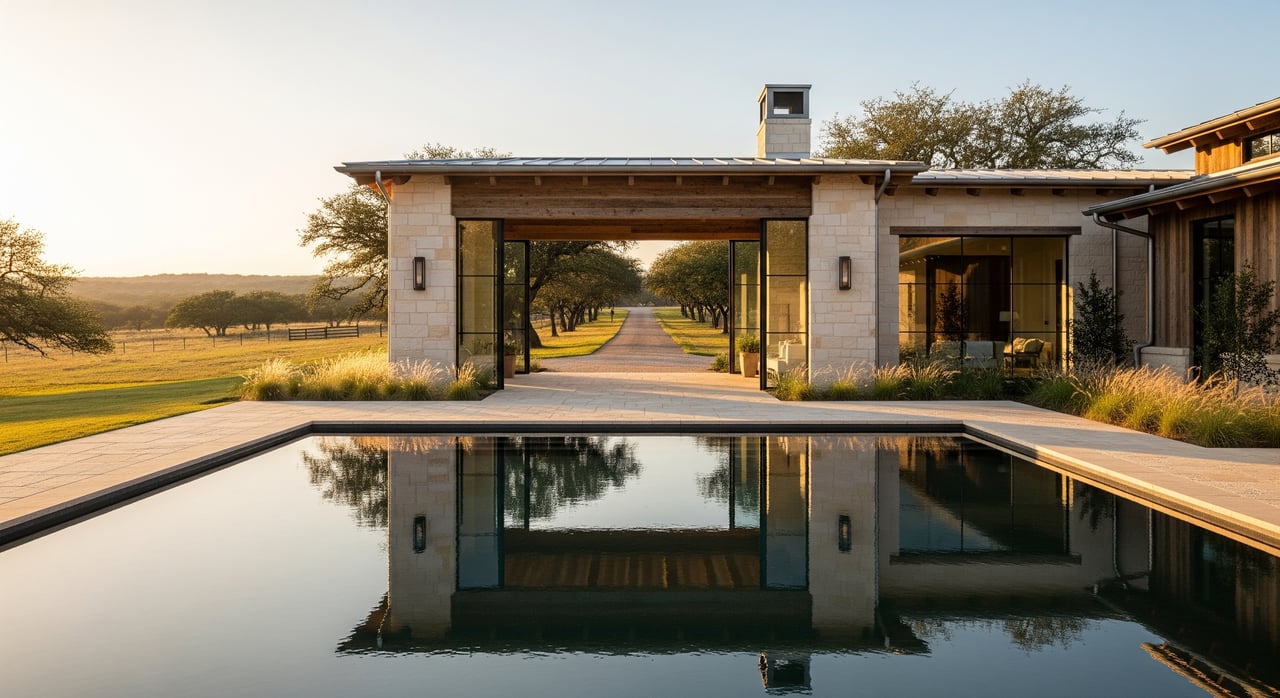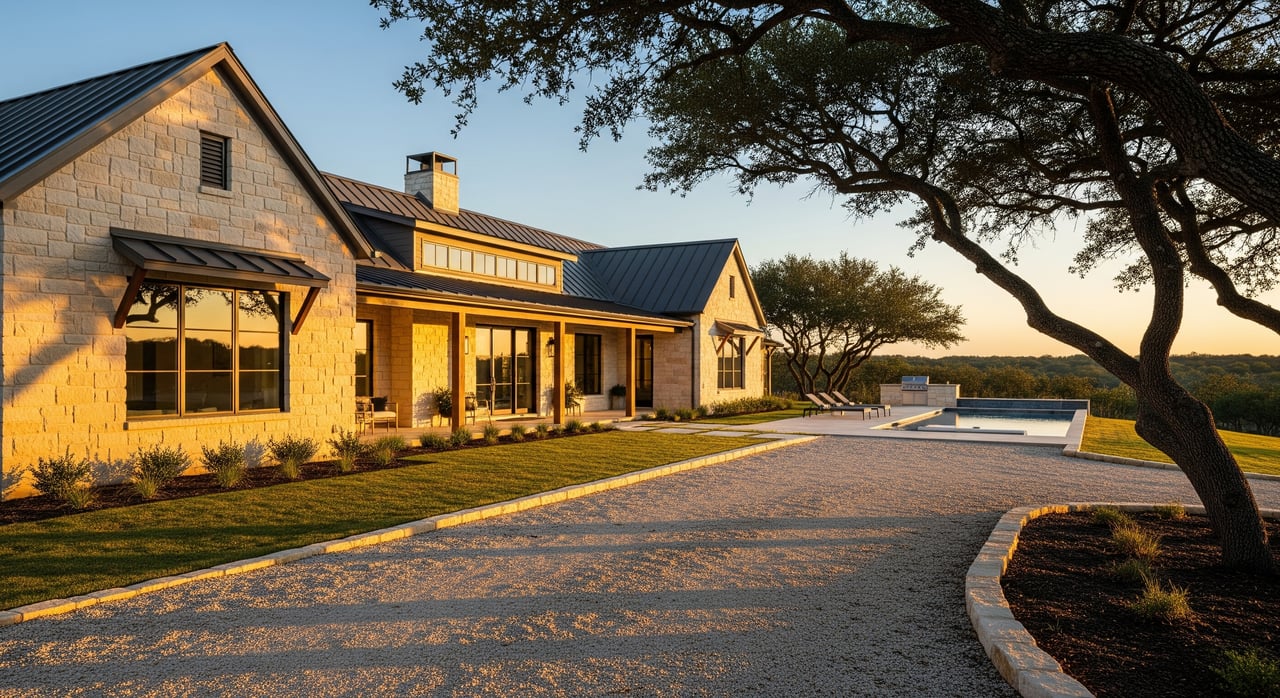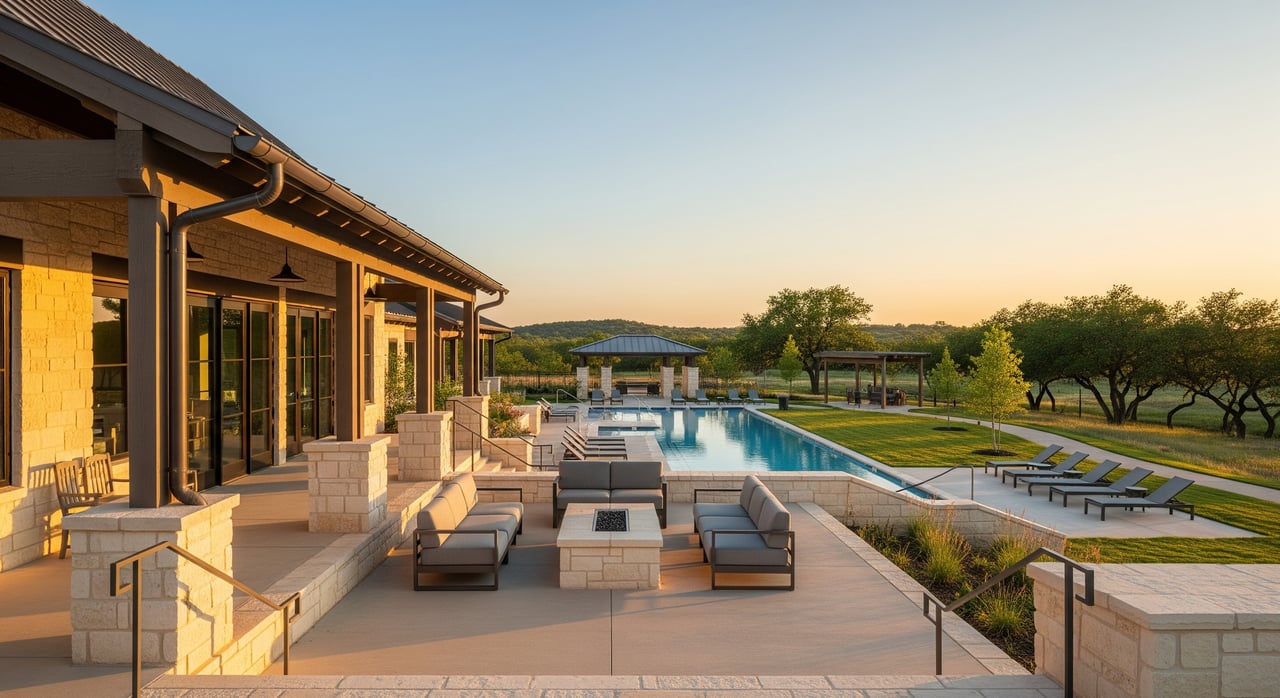
Picture your day starting with a sunrise walk on a neighborhood trail, an afternoon swim, and an evening workshop where neighbors swap tips on their latest projects. If you are exploring Walsh in Parker County, you are likely searching for more than a house. You want a community that supports your routines, hobbies, and plans for the future. In this guide, you’ll see how trails, amenities, and events in Walsh shape daily life and what that can mean for long‑term value. Let’s dive in.
Where Walsh fits in North Texas
Walsh sits on the western edge of the Fort Worth–Arlington metro area in Parker County. As a master‑planned community, it puts a strong focus on on‑site amenities, open space, and HOA‑supported programming. The broader region has seen steady growth over the past decade, which supports demand for new homes in amenity‑rich neighborhoods. That growth context is part of why buyers consider Walsh when comparing suburban options.
Trails and open space in Walsh
What to expect on the paths
Master‑planned neighborhoods like Walsh typically offer a mix of paved multi‑use trails and natural paths that fit walking, jogging, and biking. You can expect loop options, greenway corridors, and links to neighborhood nodes. Details such as surface type, lighting, and dog rules vary by section, so it is smart to confirm current HOA guidelines before you go.
How trails shape your day
Trails make it easy to build in movement and fresh air. Morning dog walks, stroller loops after breakfast, and evening rides can all happen close to home. For many residents, that convenience reduces time in the car and turns quick outings into daily habits. The result is more time outside and less friction in your routine.
Buyer tip: what to verify
- Miles of trails today and any planned expansions.
- Surface types, widths, and lighting for comfort and safety.
- Locations of trailheads and how close they are to your preferred lots.
- Grade or elevation changes that could matter for mobility.
- Connectivity to parks, schools, or nearby destinations.
Pools and outdoor recreation
Pool options and seasons
Communities like Walsh often include a mix of leisure pools, family areas, and shallow play zones. Hours and seasons can vary by time of year and staffing. Ask about lifeguard coverage, holiday schedules, and weather closure policies so you can plan around them.
Courts, playgrounds, and green time
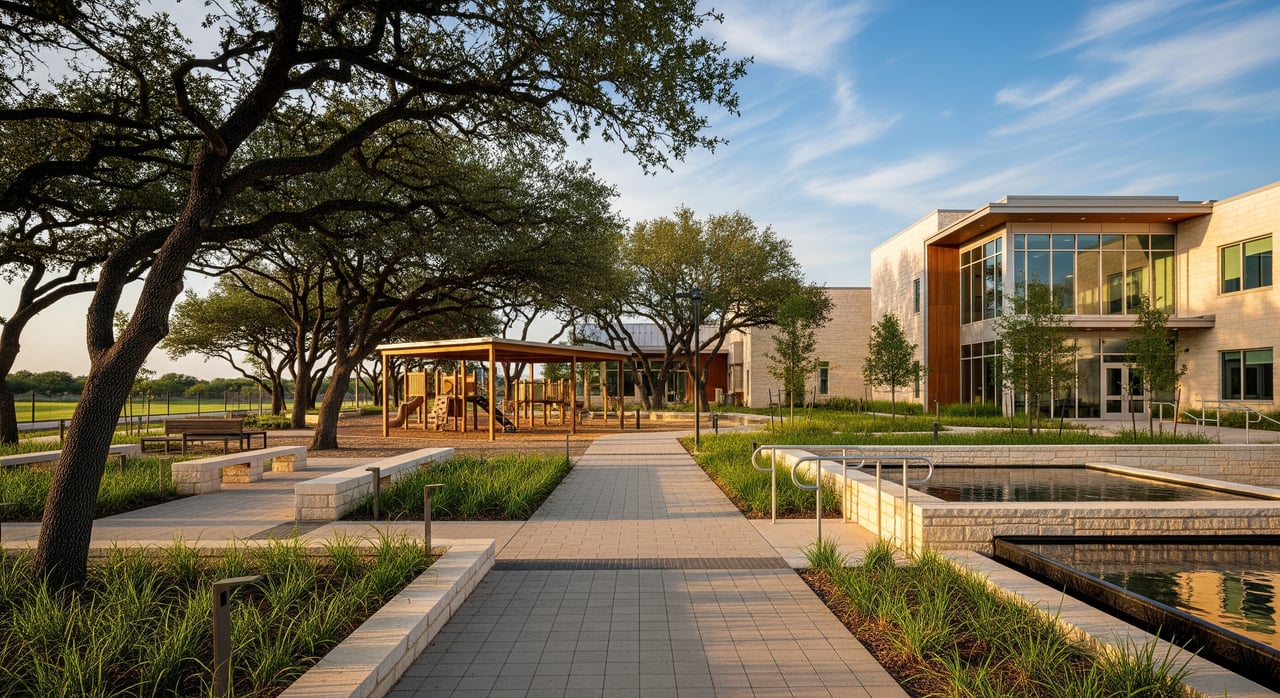
Beyond the pool, you can often find courts, playgrounds, and open lawns. These spaces support quick pickup games, evening playtime, and relaxed weekend gatherings. The key is not just what exists, but how well it is maintained and how easy it is to access from your part of the neighborhood.
Practical tips before you dive
- Check reservation policies for pavilions or party areas.
- Review guest rules and any daily limits.
- Ask about maintenance schedules and recent upgrades.
- Confirm whether facilities are seasonal or available year‑round.
Maker spaces and community hubs
What a maker space means
A maker space is a shared workshop or studio with tools for hands‑on projects. It may include equipment for crafting, light woodworking, or digital tools like 3D printers. Programming can range from drop‑in hours to scheduled classes. The goal is to give you space to create without setting up a full shop at home.
Who uses it and why it matters
If you run a side project, work from home, or want to try new skills, a maker space can be a major plus. It supports intergenerational activities and small business ideas while encouraging neighbor connections. For many buyers, this amenity signals an active, creative community culture.
Questions to ask on a tour
- Is there a formal maker space, or is it a multi‑use craft room?
- What tools and equipment are available, and how are they maintained?
- Are there classes, and who runs them?
- What are the hours, membership rules, and any fees?
- Are waivers or safety orientations required?
Community programming and events
A typical calendar
Master‑planned communities commonly host farmers markets, holiday celebrations, outdoor concerts, group fitness, kids’ camps, and neighborhood clubs. The mix can shift by season. Ask whether events are weekly, monthly, or seasonal and who organizes them, such as HOA staff or volunteer committees.
How events build connection
Regular programming helps you meet neighbors and feel at home faster. It also gives new residents easy touchpoints to get involved. If you value social connection, focus on whether the schedule is consistent and well attended.
If you like a quieter spot
Vibrant event hubs can add noise and traffic at peak times. If you prefer quiet, talk with your agent about home locations that balance access with privacy. Proximity to pools, plazas, or community centers can be both a benefit and a consideration.
Everyday convenience: schools, services, commuting
Schools and daily schedules
School assignments are set by the local district and can change over time. Confirm current boundaries, commute times, and any on‑site education partners as you compare lots. Keep the focus on logistics and your daily timing needs.
Retail, services, and errands
Ask about on‑site or nearby options for groceries, healthcare, childcare, and quick‑service dining. The closer these are, the more time you save each week. If you plan to work out or take classes locally, check for fitness studios or community programming that fits your schedule.
Roads, transit, and connectivity
Walsh provides access to regional roadways that connect you to Fort Worth and the broader Tarrant and Parker County area. If you commute, map real drive times during your typical hours. For remote work, verify available high‑speed internet providers and package speeds that support video calls and streaming.
How amenities influence resale
Why buyers notice Walsh
Across the industry, visible and well‑maintained amenities often attract buyer interest and can shorten days on market because they offer a turnkey lifestyle. Proximity to green space, trails, and quality schools regularly shows up as a priority in buyer surveys. In practice, it is the combination of features and upkeep that matters.
Cost side of the equation
HOA dues fund maintenance, reserves, and programming. Higher dues can deter buyers who do not use the amenities, while clear value and care can justify costs for others. Ask about reserves, recent capital projects, and any history of special assessments.
Simple metrics to watch
- Comparable sales inside Walsh vs. nearby non‑amenitized areas.
- Days on market and price per square foot for similar homes.
- HOA fee levels and reserve strength compared to local norms.
- Usage data, if available, for pools and events to show real engagement.
- Commute times and school logistics that affect daily life.
Value‑forward updates for current homeowners
- Create outdoor living zones with shade, seating, and low‑maintenance landscaping.
- Add smart home features and ensure robust internet to support remote work.
- Prioritize durable, low‑upkeep exterior materials and irrigation efficiency.
- Build organized storage for bikes, strollers, and sports gear.
- Stage and photograph to highlight proximity to trails, parks, and community spaces.
A day in Walsh
The active weekday
You start with a quick loop on the trail, take a short lunch break at a community green, then cool off at the pool after work. An evening class at the community center rounds out the day.
The relaxed weekend
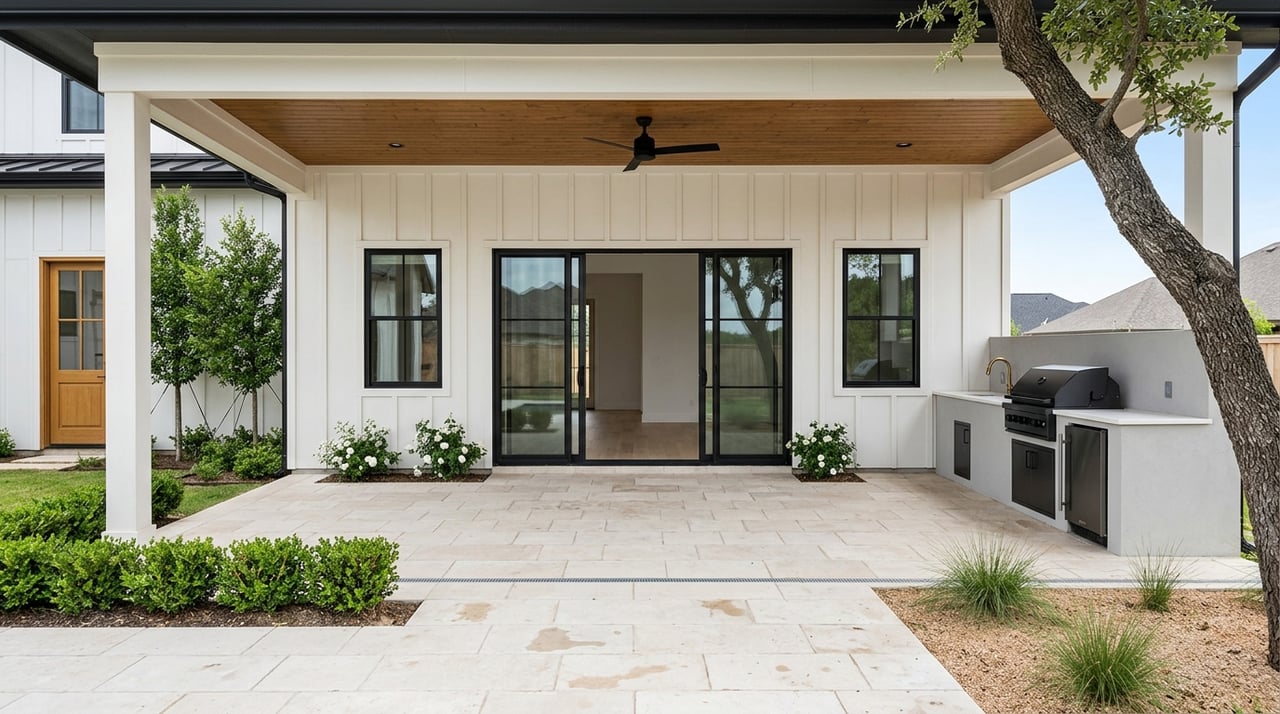
Breakfast at home, then a late‑morning bike ride and time at the playground. In the afternoon, you join a neighborhood event before grilling on the patio with friends.
The remote‑work rhythm
Morning video calls run smoothly with reliable high‑speed internet. After a mid‑day stretch on the trail, you finish work and meet neighbors for an evening workshop or casual pickup game.
What to ask on your first visit
- Which amenities are open today, and what is planned for the near term?
- What are current HOA dues, reserves, and any special assessment history?
- How many pools are there, and what are the hours and lifeguard policies?
- How many miles of trails exist now, and what are the surfaces and lighting?
- What are the rules, fees, and equipment list for maker spaces or community rooms?
- Are signature events annual, and how often are regular classes held?
- Where are the nearest groceries, healthcare, and childcare options?
- What are drive times to your workplace during peak hours?
Ready to explore Walsh?
If you want a clear, local view of Walsh living and how these amenities align with your goals, reach out for a personal tour and market guidance. Connect with Anabel Wright for bilingual, marketing‑driven support that helps you buy with confidence or position your home for a strong sale.
FAQs
What makes the trails in Walsh useful for daily life?
- The mix of paved and natural paths supports quick walks, runs, and bike rides, which makes it easier to fit outdoor time into your routine without driving.
How do HOA fees relate to amenities in Walsh?
- Dues typically fund maintenance, reserves, and programming, so they reflect the cost of keeping pools, trails, and community spaces safe and well cared for.
Are community events in Walsh open to non‑residents?
- Policies vary by event and organizer; ask the HOA or event lead whether specific activities welcome guests or are limited to residents.
What is a maker space in Walsh and how might you use it?
- A maker space is a shared workshop or studio where you can work on hobbies, learn new skills, or attend classes without setting up a full shop at home.
How do Walsh amenities affect resale value?
- Well‑maintained, visible amenities can increase buyer interest and reduce time on market, while higher dues or deferred upkeep can limit appeal.
What should buyers verify about pools and outdoor areas in Walsh?
- Confirm the number of pools, seasons, lifeguard hours, reservation rules, recent upgrades, and the proximity of your home to high‑traffic amenity nodes.