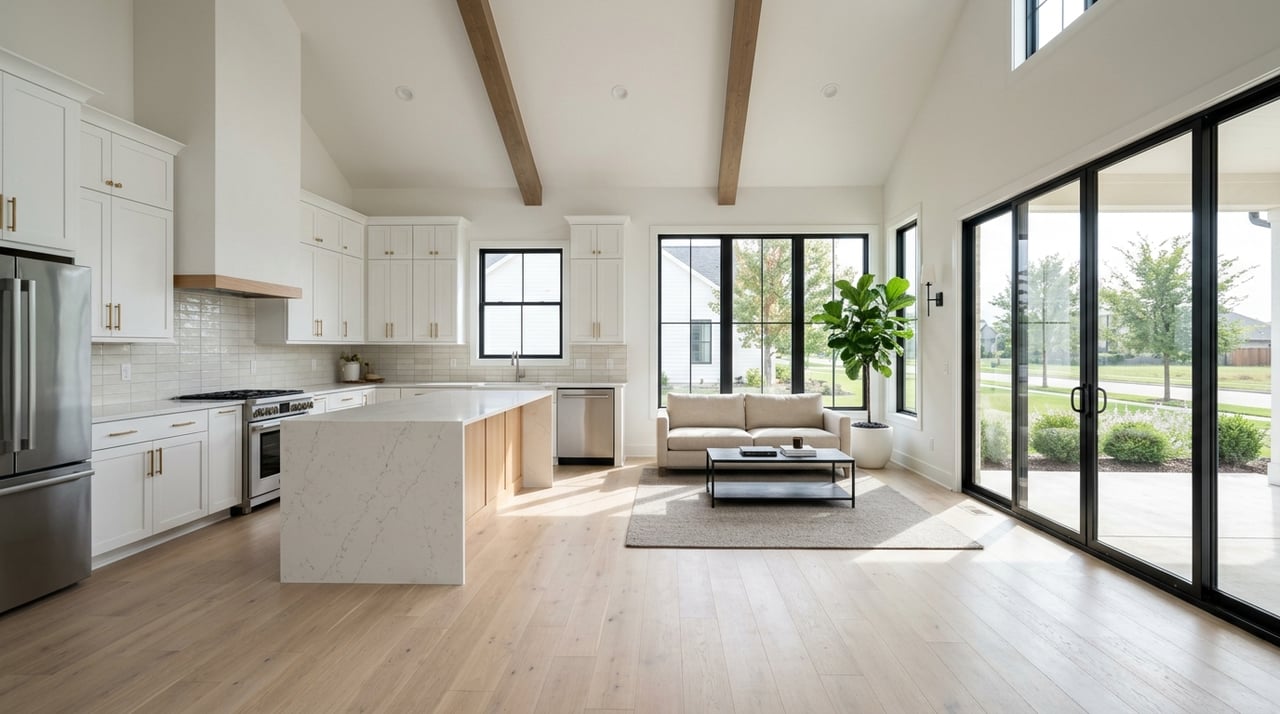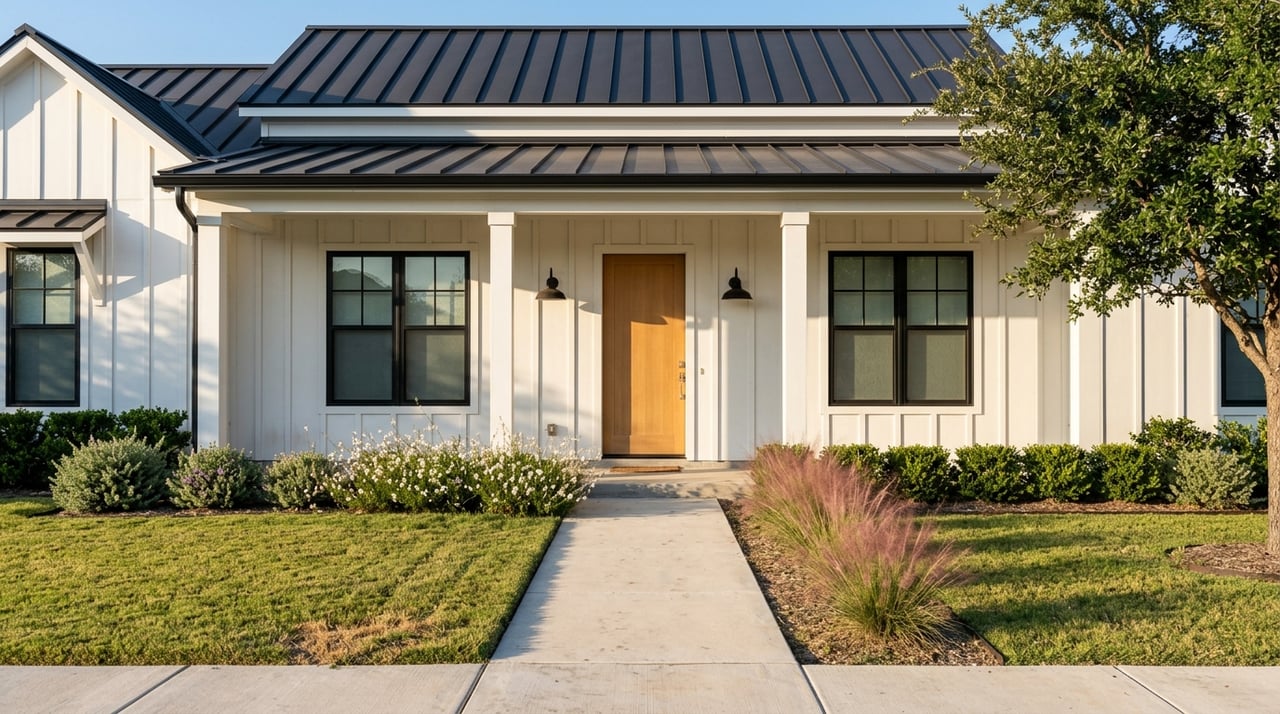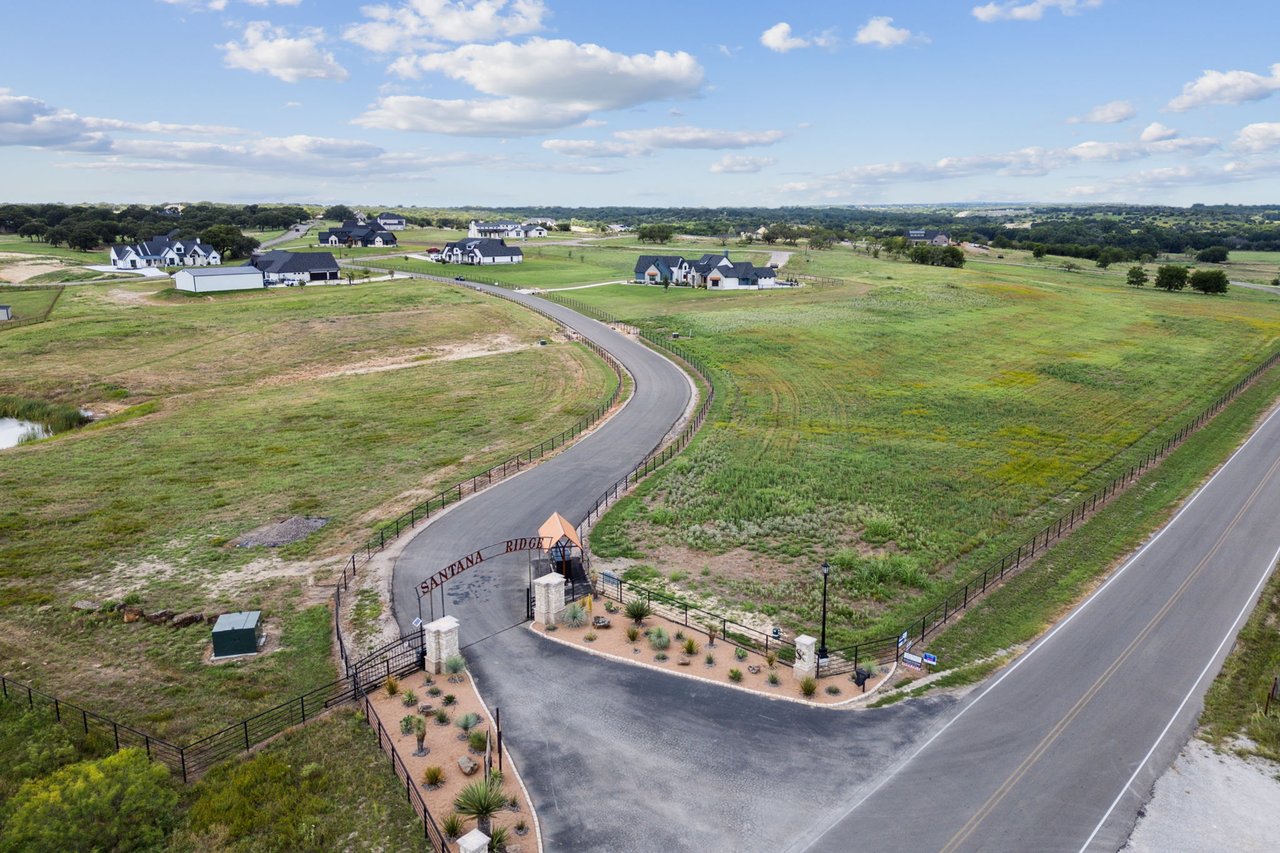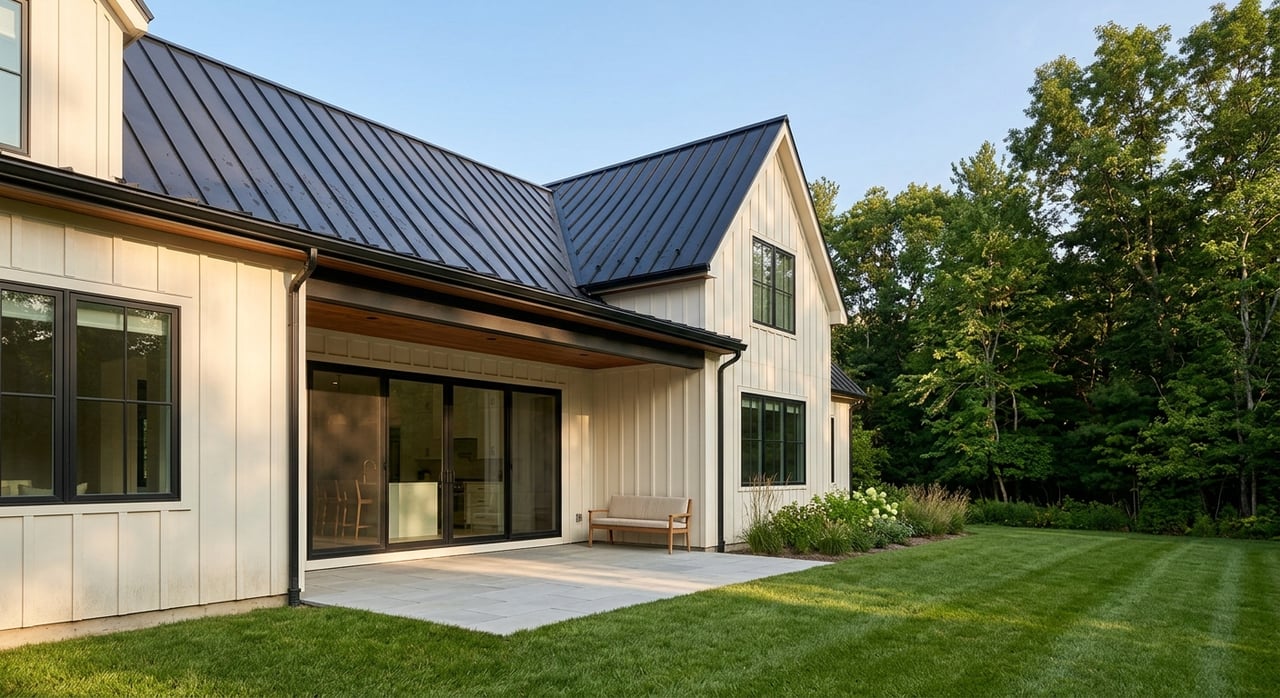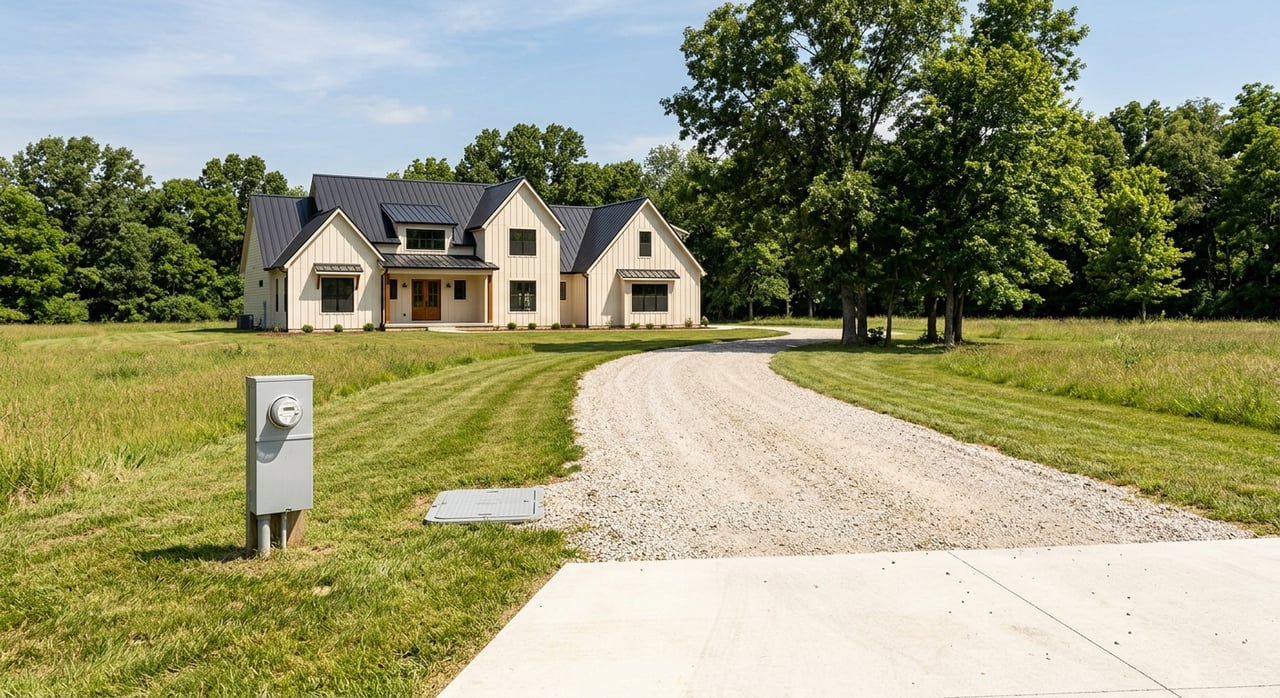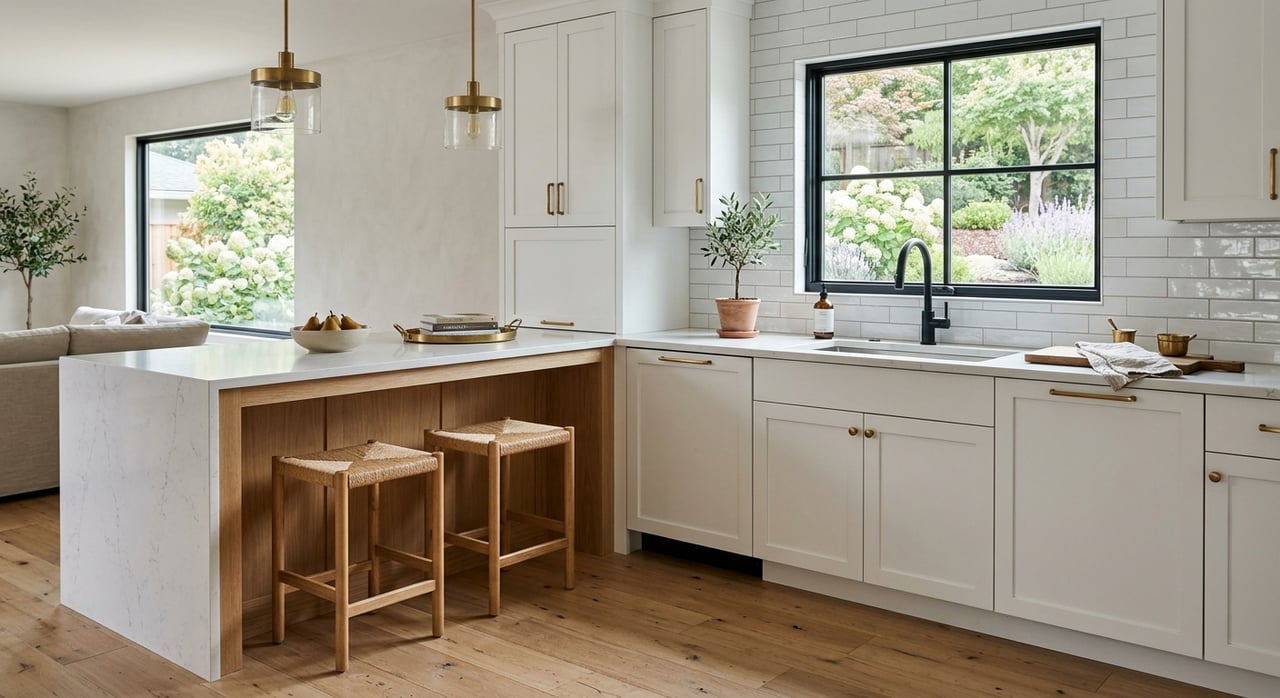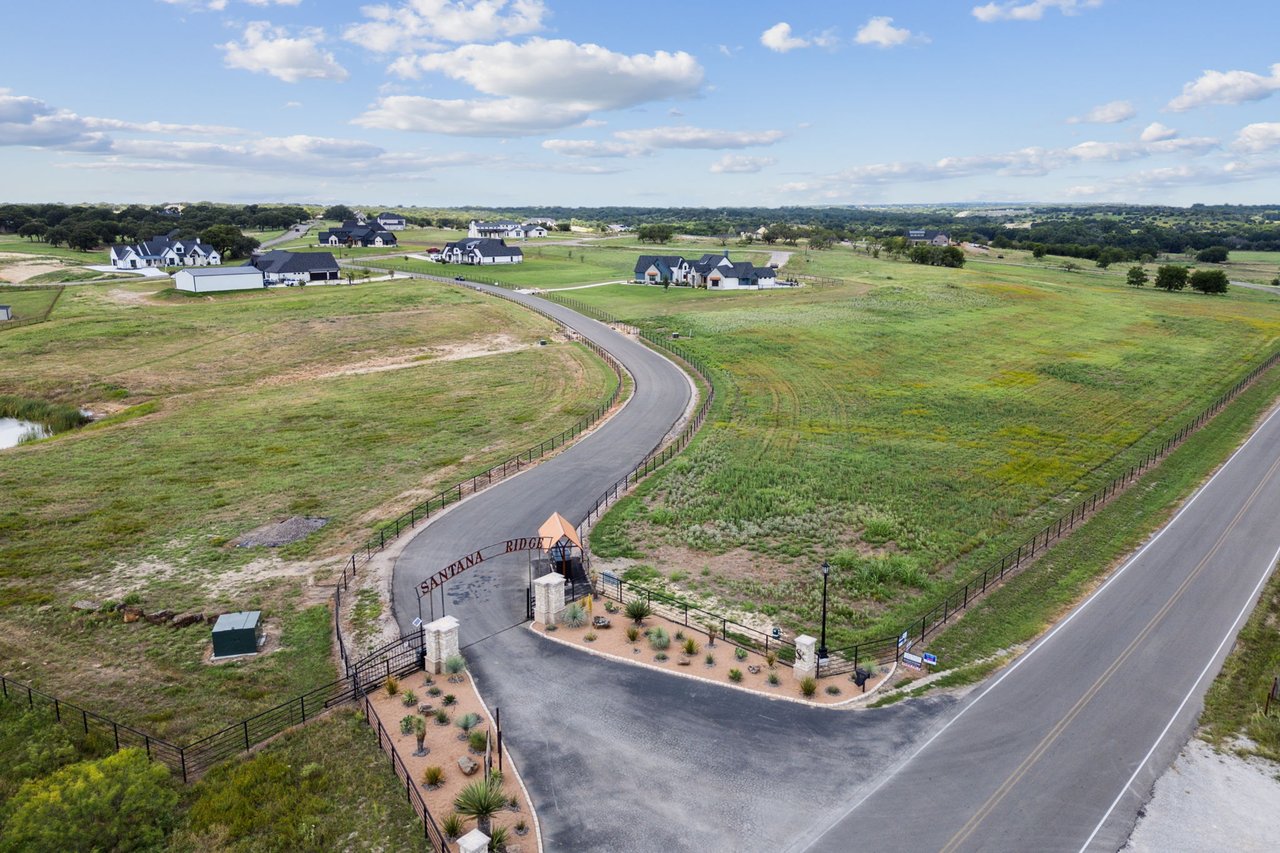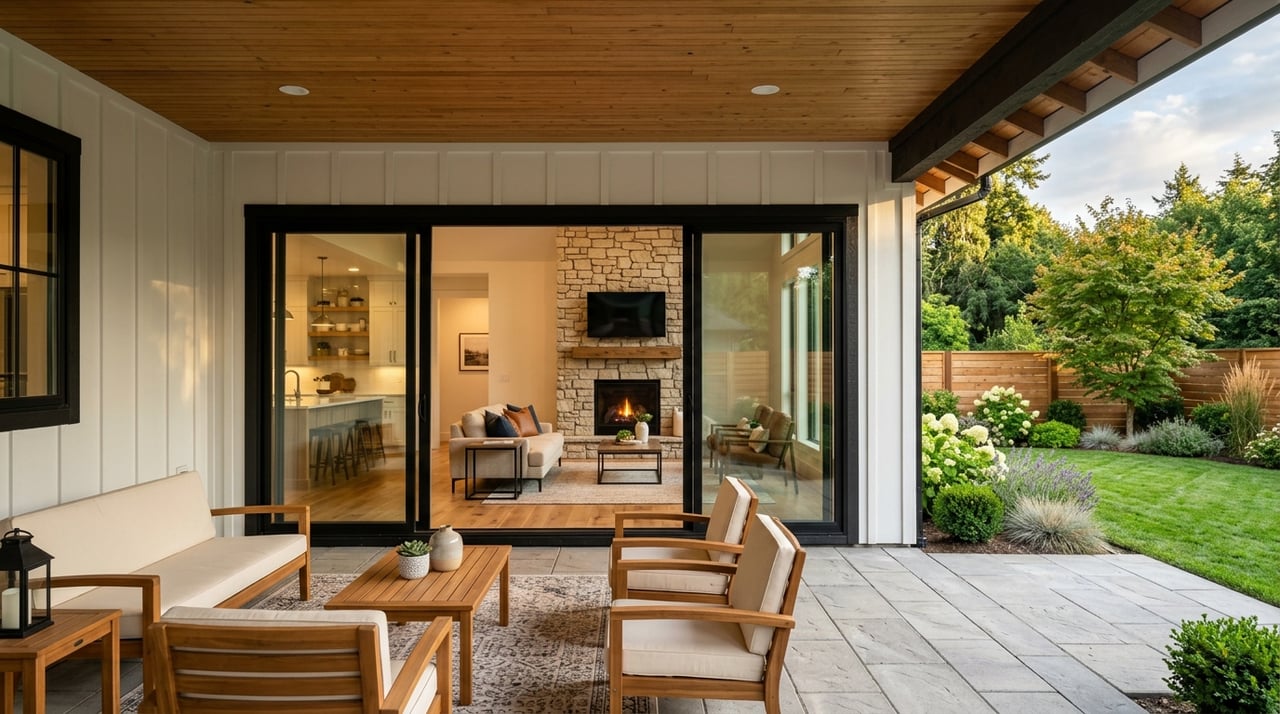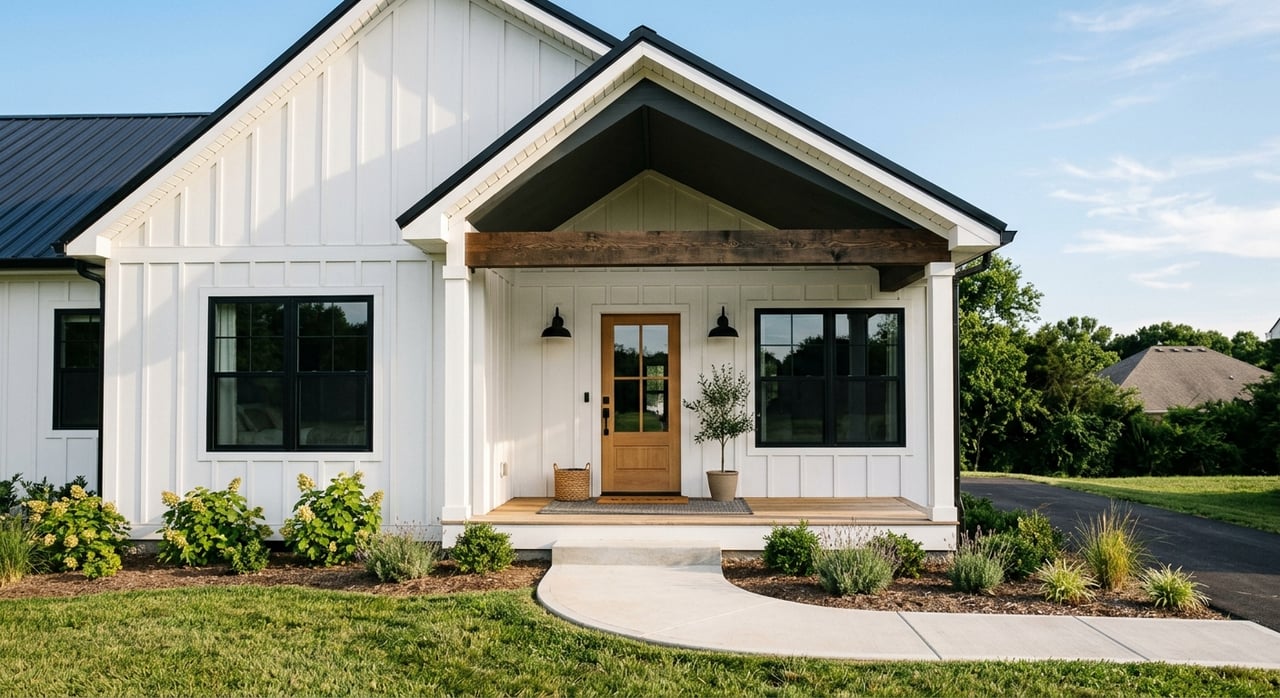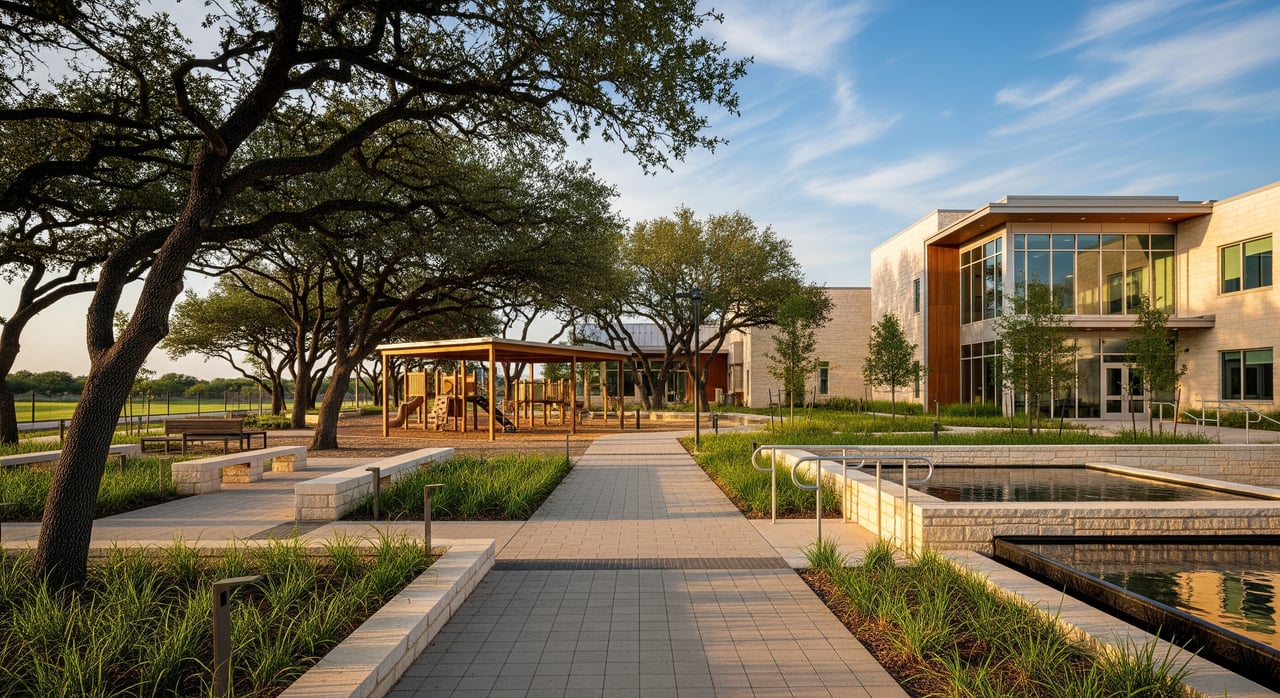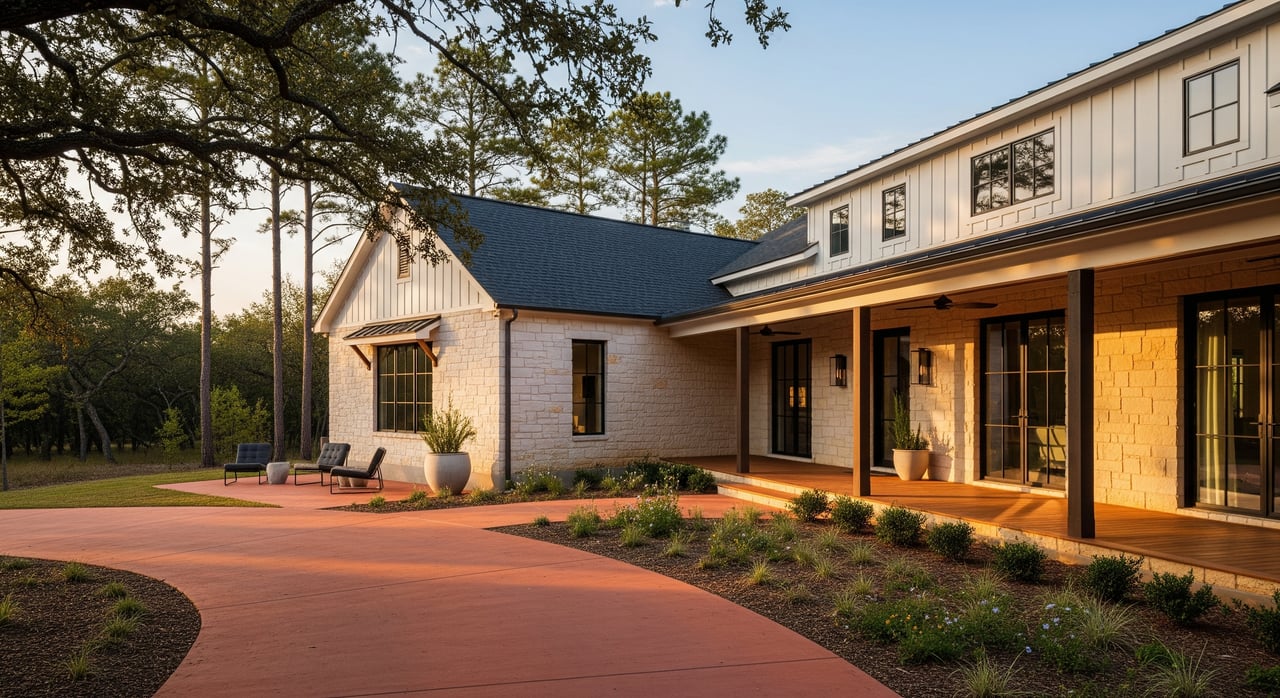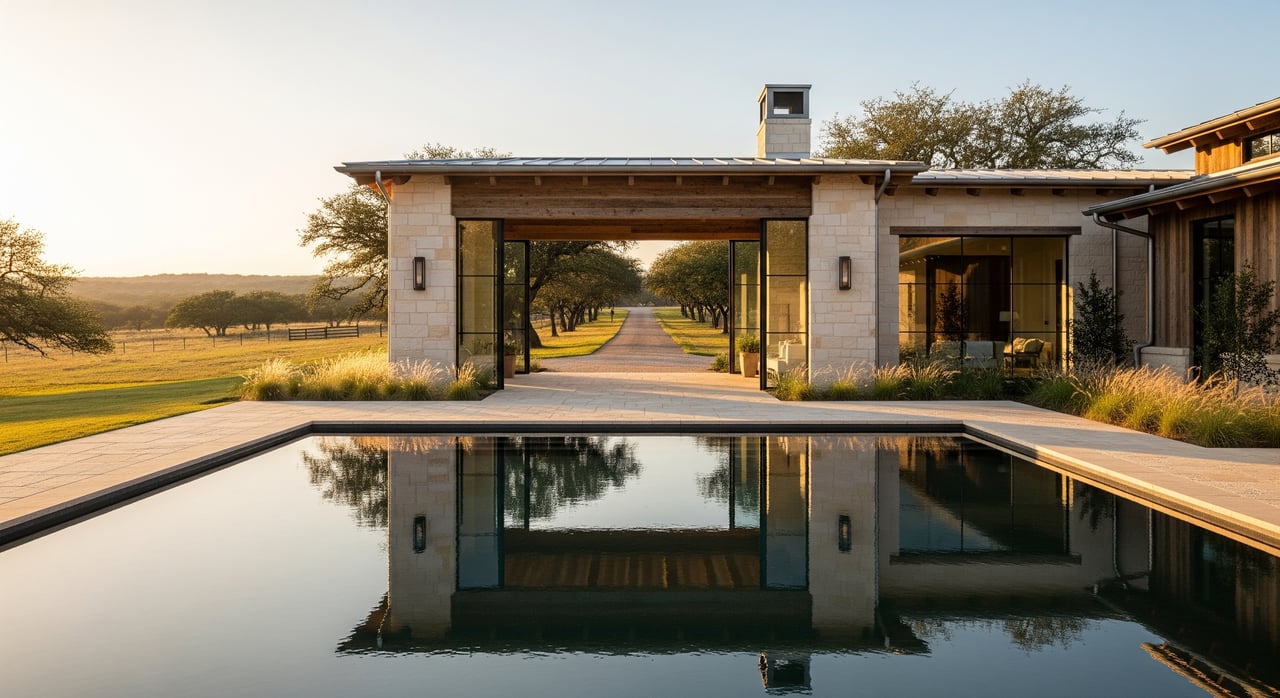
Thinking about building a new home in Walsh but not sure where to start? You’re not alone. New construction comes with exciting choices and a few moving parts that can feel overwhelming the first time through. In this guide, you’ll learn how the process works in Walsh, what affects your final price, how to protect your build with inspections and warranties, and what to watch in contracts, HOA fees, and taxes. Let’s dive in.
Why Walsh stands out
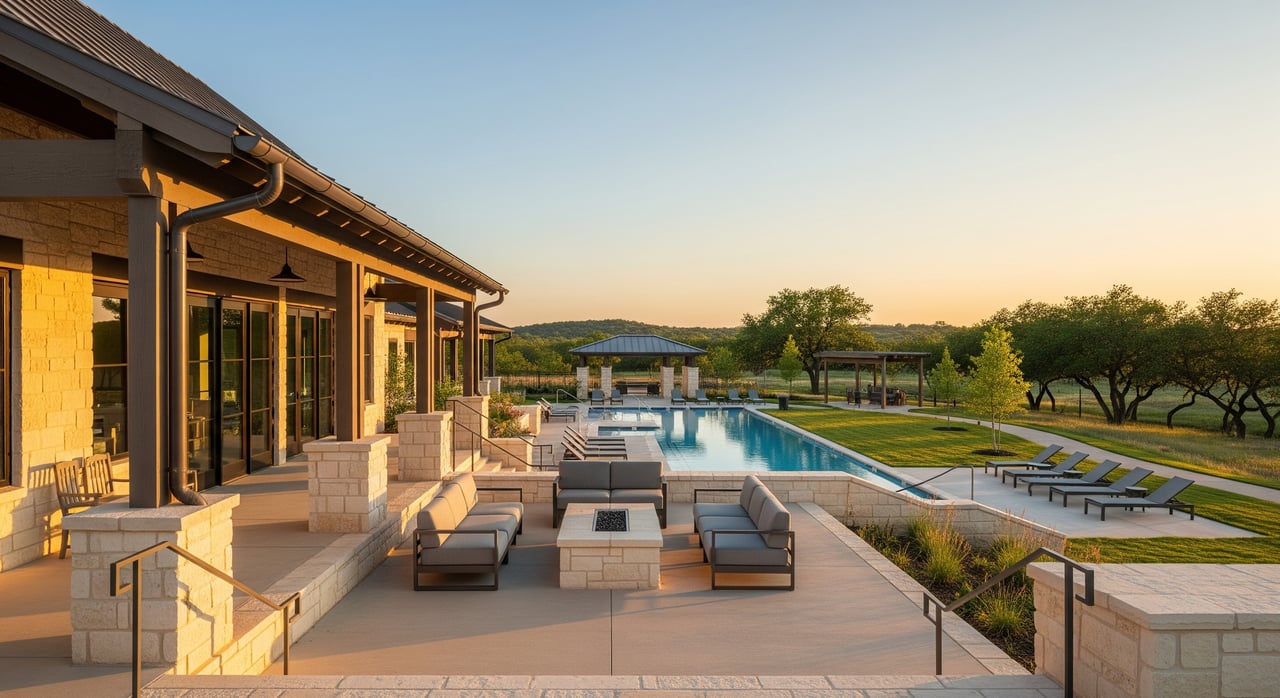
Walsh is a large master-planned community on former ranch land west of Fort Worth, planned across roughly 7,200 acres with multi‑phase residential, commercial, and civic spaces. The community sits near I-20/I-30, and homes are served by Aledo Independent School District, including on‑site Walsh Elementary. The mix of amenities is a major draw, including fitness facilities, pools, trails, a makerspace, Village Market, and high‑speed community internet. You’ll also see near-term growth drivers like a planned UTA West campus that add long-term demand context. Learn more about the community on the official site at Walsh.
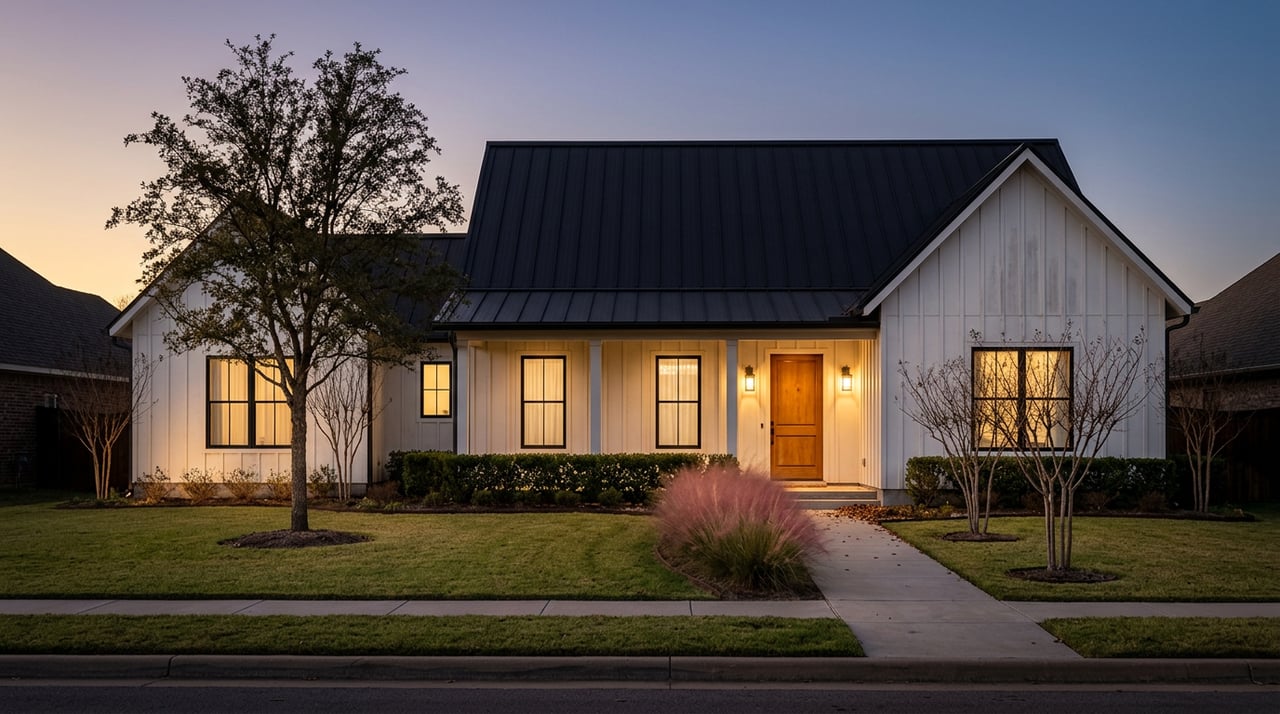
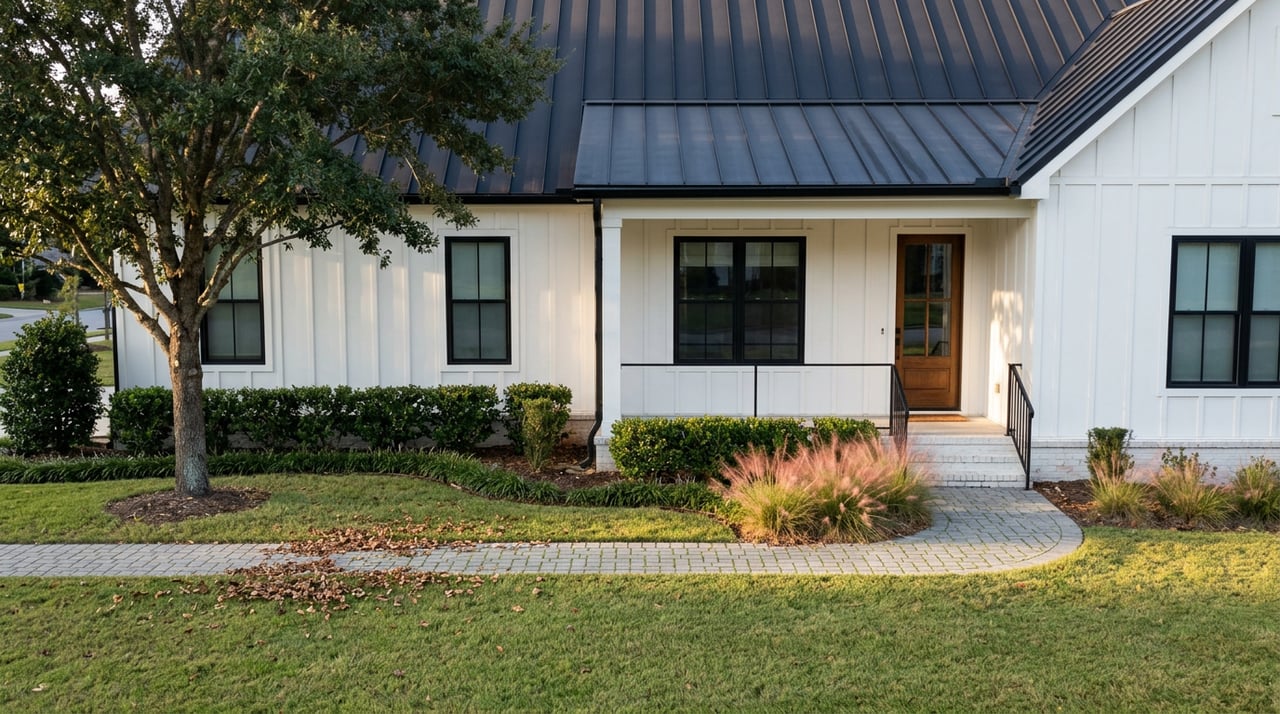
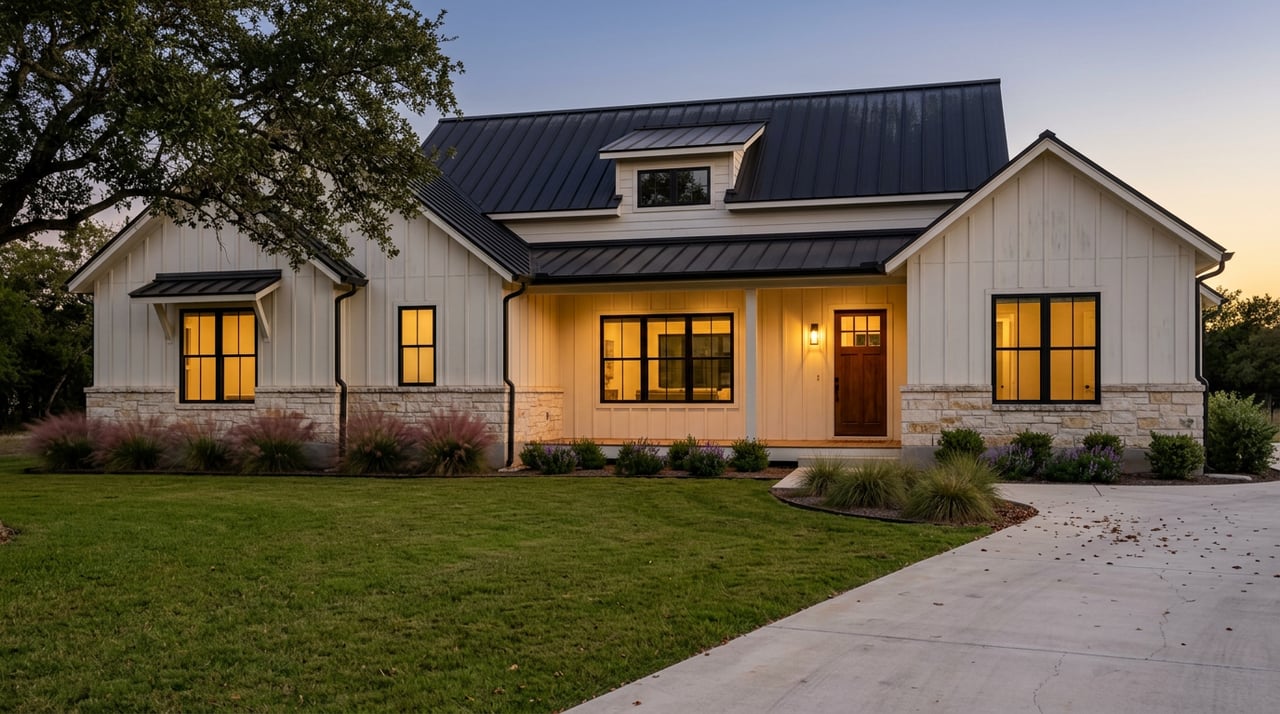
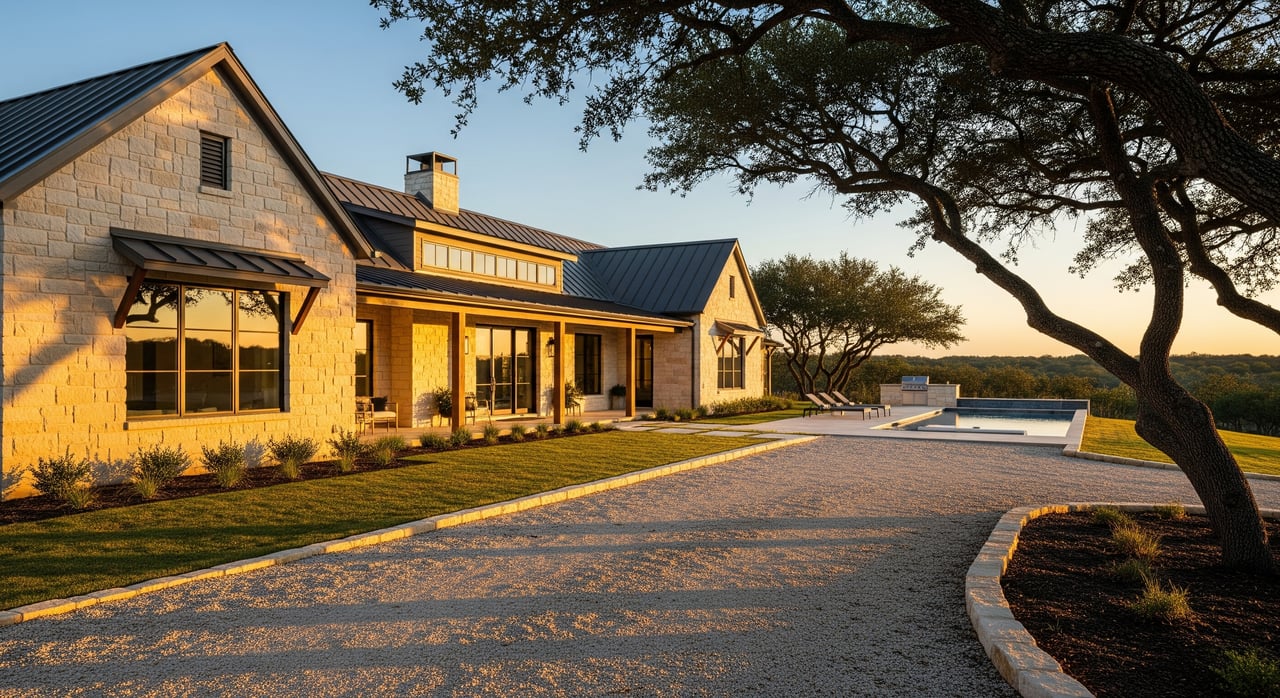
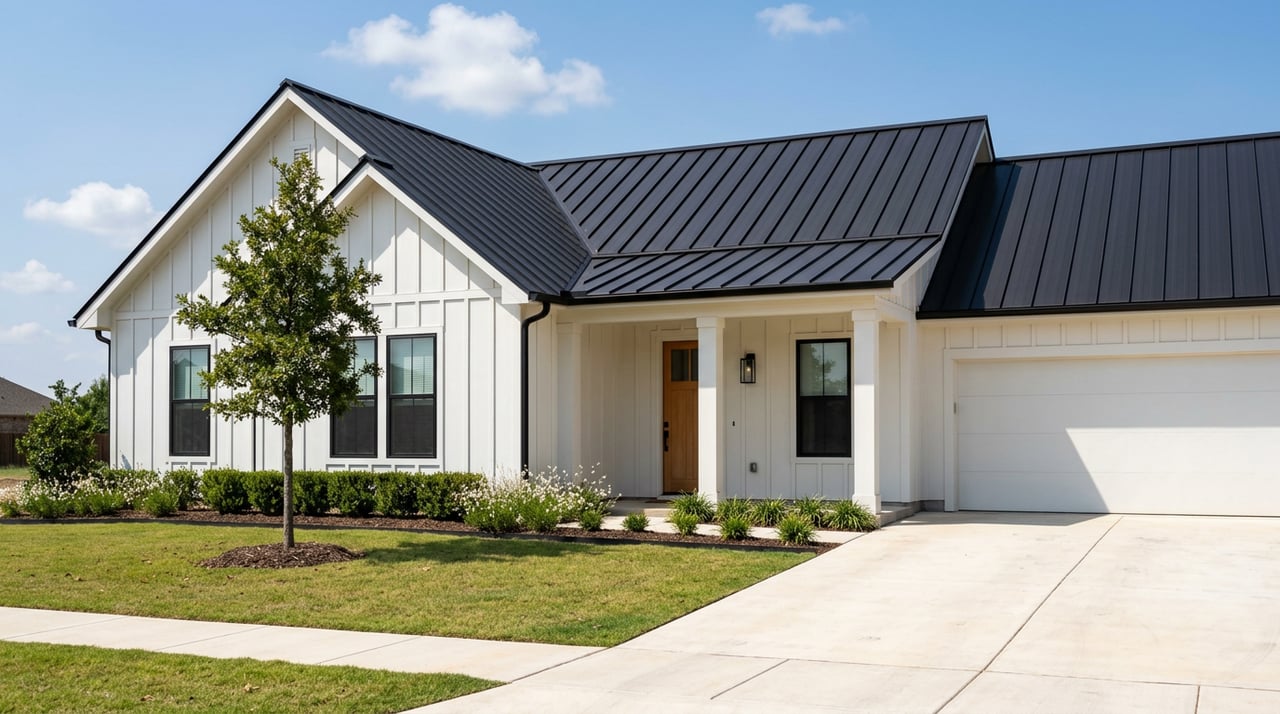
You’ll find a range of builders and product types across neighborhoods like The Village, Brook Hollow, Lake Park, and Cline Park. Offerings include townhomes, garden homes, one‑ and two‑story detached homes, and luxury/custom builds on wider lots. Active and announced builders have included Perry/Britton, David Weekley, Highland Homes, Toll Brothers, Village Homes, Drees, GFO, and boutique/custom firms. See the developer’s builder overview for context on product mix and lot sizes in early phases at Walsh’s initial homebuilder announcement.
How the new-build process works in Walsh
From lot release to keys
Here’s the typical flow you’ll see in Walsh:
- Phase and lot release, with model homes and a sales center.
- Lot selection and builder contract that shows base plan price plus any lot premium.
- Design center selections for structural options and finishes.
- Permitting and ground work, followed by staged construction.
- Pre-close punch list, final walkthrough, then closing and move‑in.
Ask each builder for their recent average build time for your plan and series, how they handle timeline adjustments, and how incentives work if you use or do not use their preferred lender. Get every promise in writing.
Realistic build timelines
In recent North Texas conditions, a full build commonly runs about 8 to 12 months from contract to keys. Spec inventory can close sooner. Delays most often tie to permitting, selection lead times, and specialty materials like countertops or appliances. Plan conservatively, confirm stage dates, and ask what happens to your deposit if the builder misses a contractual milestone.
Price, upgrades, and lot premiums
Base price vs final price
Builders post a base price for each plan and lot series, but your final number reflects lot premiums plus structural and design upgrades. Upgrades to appliances, countertops, tile, lighting, and fixtures can add tens of thousands. Do not assume the model home is “standard.” Ask for a written inclusions list and a line‑item estimate that separates base, lot premium, structural options, and design center selections.
What drives lot premiums
Premiums often reflect lot width and depth, orientation to the sun, slope or topography, adjacency to greenbelt or creek areas, and proximity to amenities. Corner and cul‑de‑sac lots can also carry higher costs. Keep appraisal risk in mind. Large premiums or heavy upgrades may not show up in early comps, especially in a fresh phase. Verify recorded easements, setback lines, and any tree or retaining‑wall obligations before you pay for a premium lot.
Protect your build with inspections
Phased independent inspections
Budget for independent, third‑party inspections at key milestones. Confirm in writing that your inspector can access the home at each stage.
- Pre‑pour or slab/foundation
- Pre‑drywall framing and systems (mechanical, electrical, plumbing)
- Final walkthrough before closing
- 11‑month inspection ahead of initial warranty expiration
These reports create a clear punch list and help you document items before warranty windows close. For an overview of staged inspections, review this inspection pro’s guidance on milestone inspections.
Common first‑year issues
Normal settling can create small drywall cracks or nail pops. You may also see trim touch‑ups or minor HVAC balancing needs. More serious items can involve mechanical installation or grade and drainage. Keep a running list with photos and submit claims per the builder’s process. A buyer’s agent can help coordinate the punch list and follow‑up.
Understand warranties
Many production and semi‑custom builders use a “1‑2‑10” warranty format: 1 year on workmanship, 2 years on systems, and 10 years on structural coverage. Ask for the full warranty document, not just a brochure. Confirm who administers claims, response time expectations, exclusions, and whether the structural warranty is backed by a third‑party insurer. Learn how third‑party structural coverage works through providers like 2‑10 Home Buyers Warranty.
Soil, foundation, and drainage in North Texas
North Texas soils have shrink‑swell characteristics that influence slab performance. Ask if your lot has a geotechnical report and which foundation system is specified, such as post‑tension slabs or deeper piers. Review drainage plans and confirm grade control is addressed in the contract. For soil context in the region, see Texas A&M’s overview of the Blackland Prairie environment.
Contracts, representation, and incentives
Bring your agent and register early
Effective January 1, 2026, Texas updated state law to require a written buyer‑representation agreement before a license holder performs brokerage services for a prospective buyer of residential property. This matters when you visit builder models. Bring your agent from day one, register them with the builder, and expect to sign a written representation agreement before you receive negotiating or advisory services. Read the enrolled bill text for SB 1968.
Incentives and preferred lenders
Builders often offer closing cost credits or rate buydowns if you use their preferred lender. If you prefer your own lender, ask whether incentives can still apply or be adjusted. Compare both options in writing using the same assumptions. Get all incentive terms in the contract, including any rate lock deadlines.
Appraisals in new communities
Early in a phase, there may be fewer closed comps that capture lot premiums and upgrades. If an appraisal comes in short, common options include bringing cash, renegotiating, accepting a lower financed amount, or using any appraisal contingency in your contract. Ask the sales rep for the builder’s documented policy and review it with your agent before you sign.
HOA, internet, and taxes
Walsh neighborhoods include shared amenities and common‑area care. Some areas include front‑yard maintenance and high‑speed community internet. HOA dues vary by product and phase, and published listing snapshots have shown ranges roughly from about 189 to 250 dollars per month in sample listings, but specifics differ by neighborhood. Always review the current CCRs, HOA budget, and fee schedule for your exact lot. Explore community features at Walsh.
Walsh spans parts of Tarrant and Parker counties. Confirm the county and appraisal district for your lot, and ask about any special assessments that could apply in future phases. Local reporting also tracks ongoing phase releases and neighborhood growth, which can inform your long‑term view; see coverage of phase activity like Walsh’s Village expansion, and broader development context from the Dallas Morning News.
Step‑by‑step Walsh buyer checklist
- Get a full pre‑approval so you know your real budget.
- Hire a local new‑construction buyer’s agent and sign the required representation agreement per Texas law before model visits. See SB 1968.
- Review the community map and the current builder release map for available lots in your target neighborhood.
- Read the builder contract, CCRs, HOA rules, and current fee schedule. Confirm what your dues include.
- Ask for recent closings in the same product line, the builder’s average days‑to‑complete in Walsh, and any written timeline policy.
- Schedule independent inspections for pre‑drywall and final, and get inspection access written into the contract.
- Request the full warranty document and confirm whether structural coverage is third‑party insured. Review how claims are submitted with 2‑10 HBW.
- At final walkthrough, document every punch‑list item with photos and email.
- Book an 11‑month inspection and submit any warranty claims before workmanship coverage expires.
Smart questions to ask your builder
- Who issues the structural warranty, and can I review the full contract now? If third‑party, what is the claims process and response timeline?
- What is your average actual build time in Walsh for this plan over the last 12 closings? What happens if a milestone is missed?
- What is included in the base price versus structural and design upgrades? Can I see line‑item allowances?
- May I bring an independent inspector at pre‑drywall and final stages, and when will those windows be scheduled? See typical milestone inspections.
- Is my lot in a floodplain or subject to stormwater easements? Can I see the grading plan and any geotechnical report? Learn about regional soils via Texas A&M Blackland.
- What is planned next to and across from my lot, and when? Get a sense of nearby phase timing with reports like the Village expansion article.
- If the appraisal comes in below contract, what is your documented policy?
- If incentives depend on using a preferred lender, can you show a side‑by‑side comparison if I use an outside lender, with the net‑effective cost spelled out in writing?
Red flags to pause on
- Vague timelines with no remedies or unwillingness to share recent, same‑product closings.
- Refusal to allow independent pre‑drywall inspections.
- Only a warranty brochure, no full document or unclear claims process.
- Incentives tied to a preferred lender without written terms and a clear cost breakdown.
- Pressure to sign without time to review CCRs, HOA budget, and fee schedule.
Final thoughts
Walsh offers a rare mix of scale, amenities, and location within the Fort Worth–Aledo area. If you focus on the right steps early, you can lock in a lot that fits your lifestyle, keep your budget on track through selections, and protect your investment with inspections and clear warranty documents. If you want a calm, detail‑driven partner for site walks, design choices, contract review, and inspections, reach out to Anabel Wright for local, bilingual guidance.
FAQs
How long does a new home build in Walsh typically take?
- Most full builds run about 8 to 12 months from contract to keys, with spec homes closing sooner depending on stage and selections.
What warranties do Walsh builders usually include on new homes?
- Many offer a 1‑2‑10 structure: 1 year workmanship, 2 years systems, and 10 years structural; ask for the full warranty and who administers claims.
Are independent inspections allowed during Walsh new construction?
- Yes, many builders allow them at pre‑pour, pre‑drywall, and final, but you should get inspection access and timing written into your contract.
How do HOA fees in Walsh work, and what might they include?
- Dues vary by neighborhood and product; some areas include front‑yard maintenance and community internet, so review your CCRs, budget, and fee schedule.
Which school district serves the Walsh community?
- Homes in Walsh are served by Aledo Independent School District, including the on‑site Walsh Elementary; confirm campus assignments with the district.