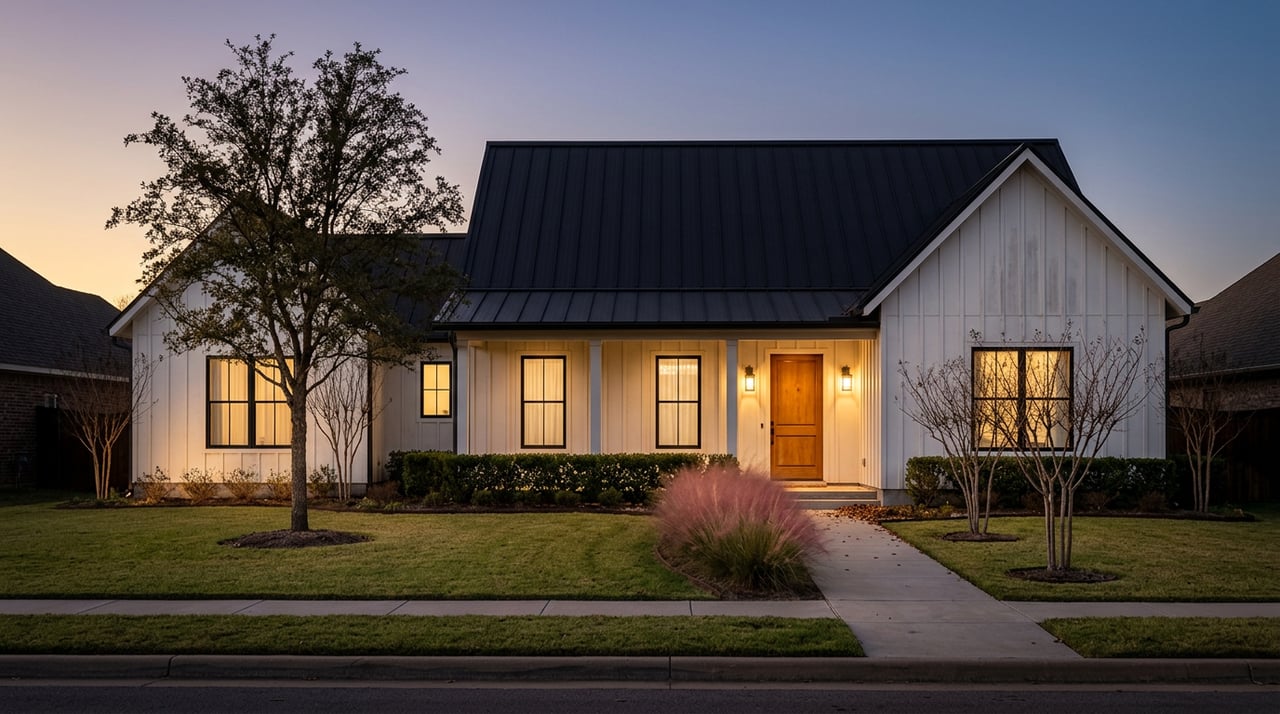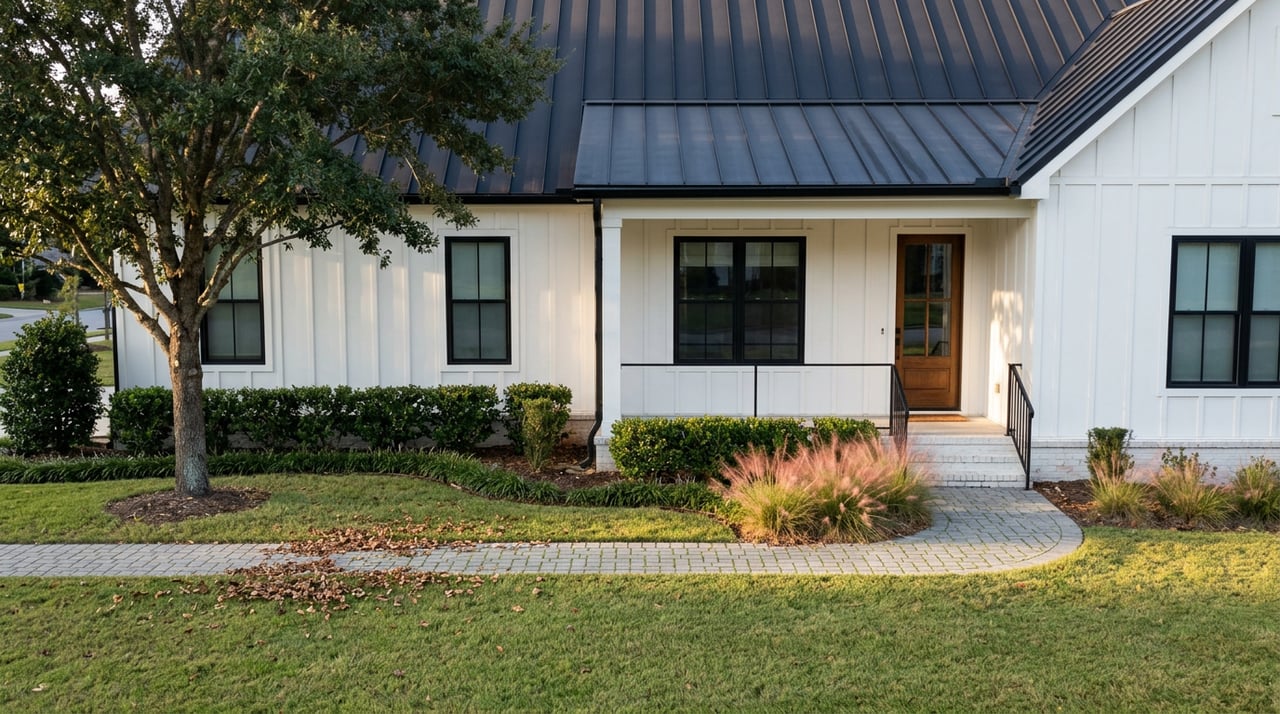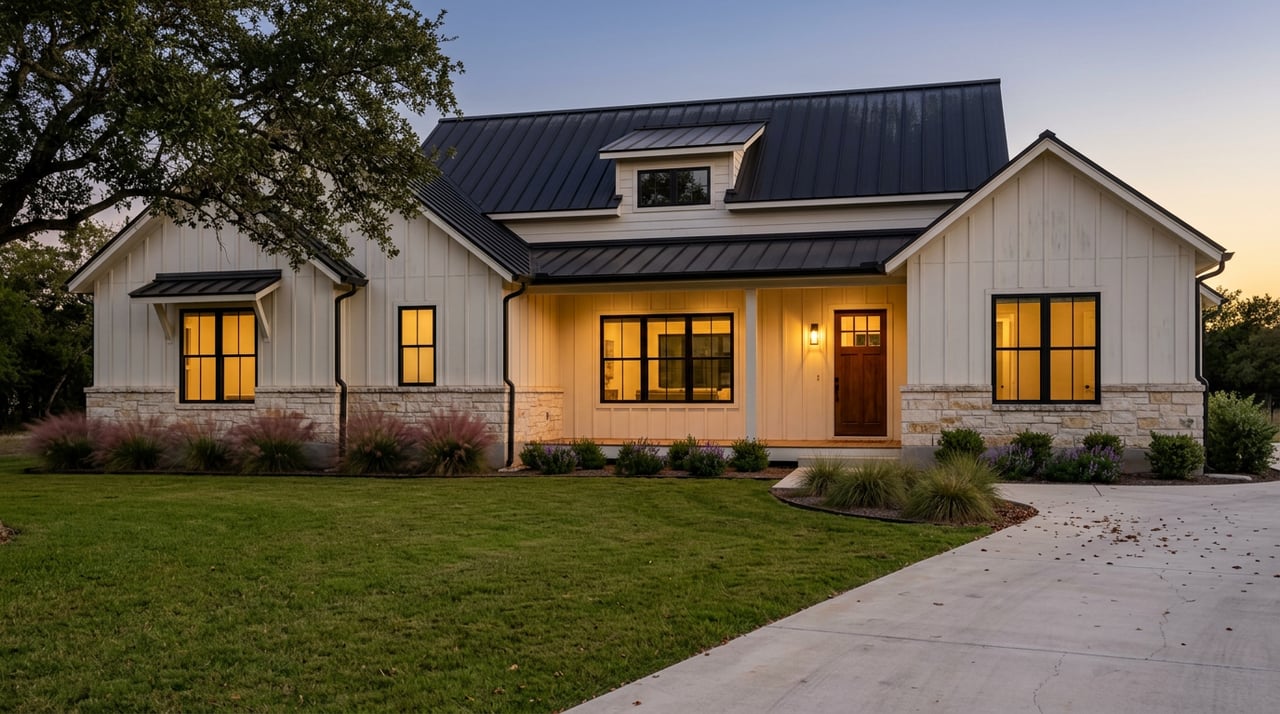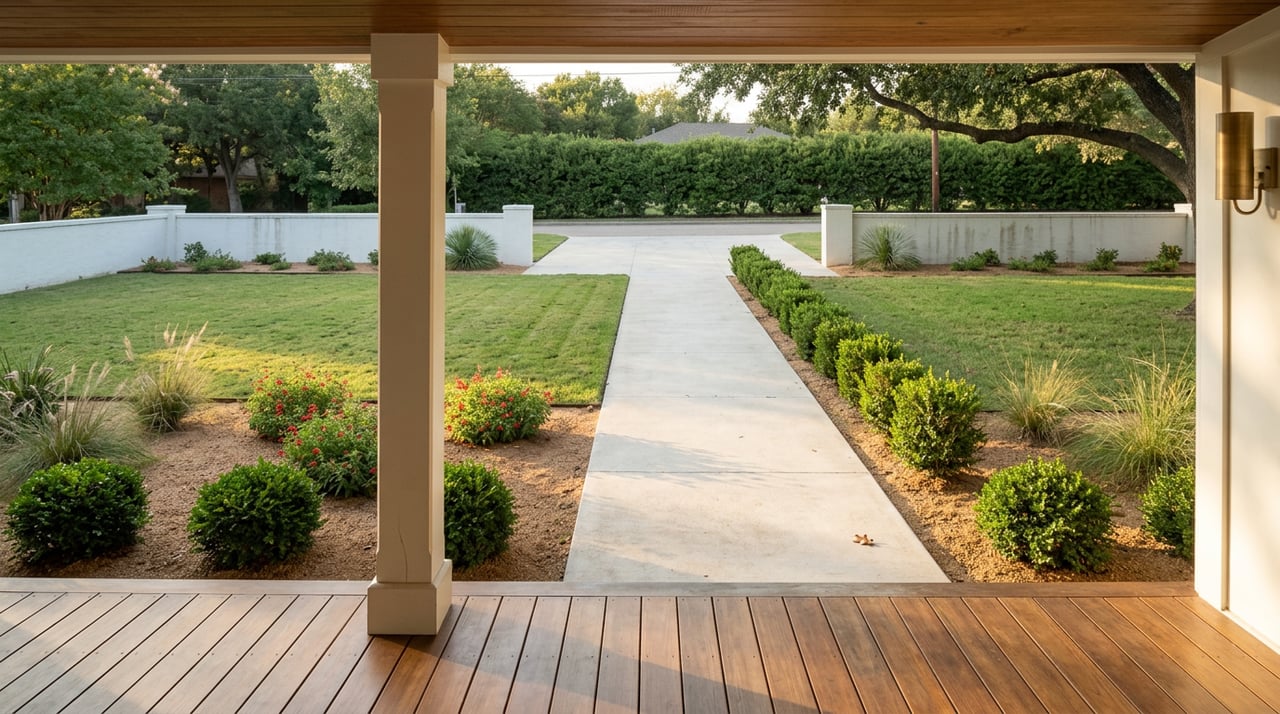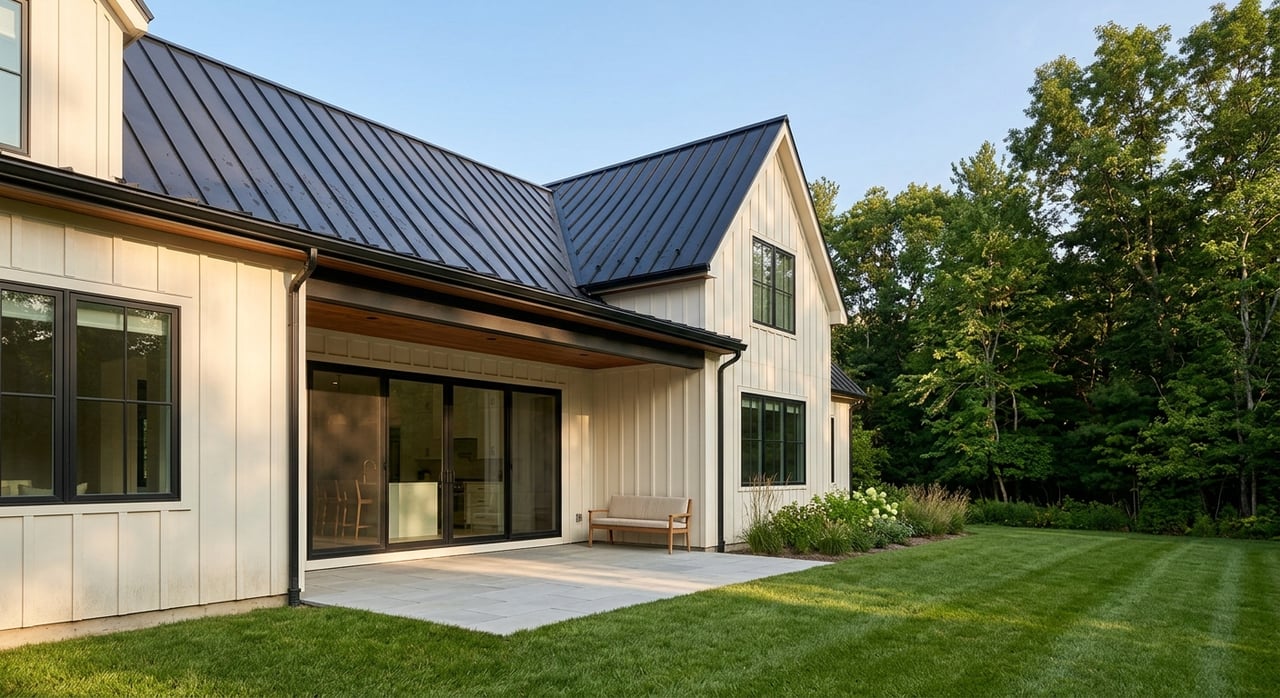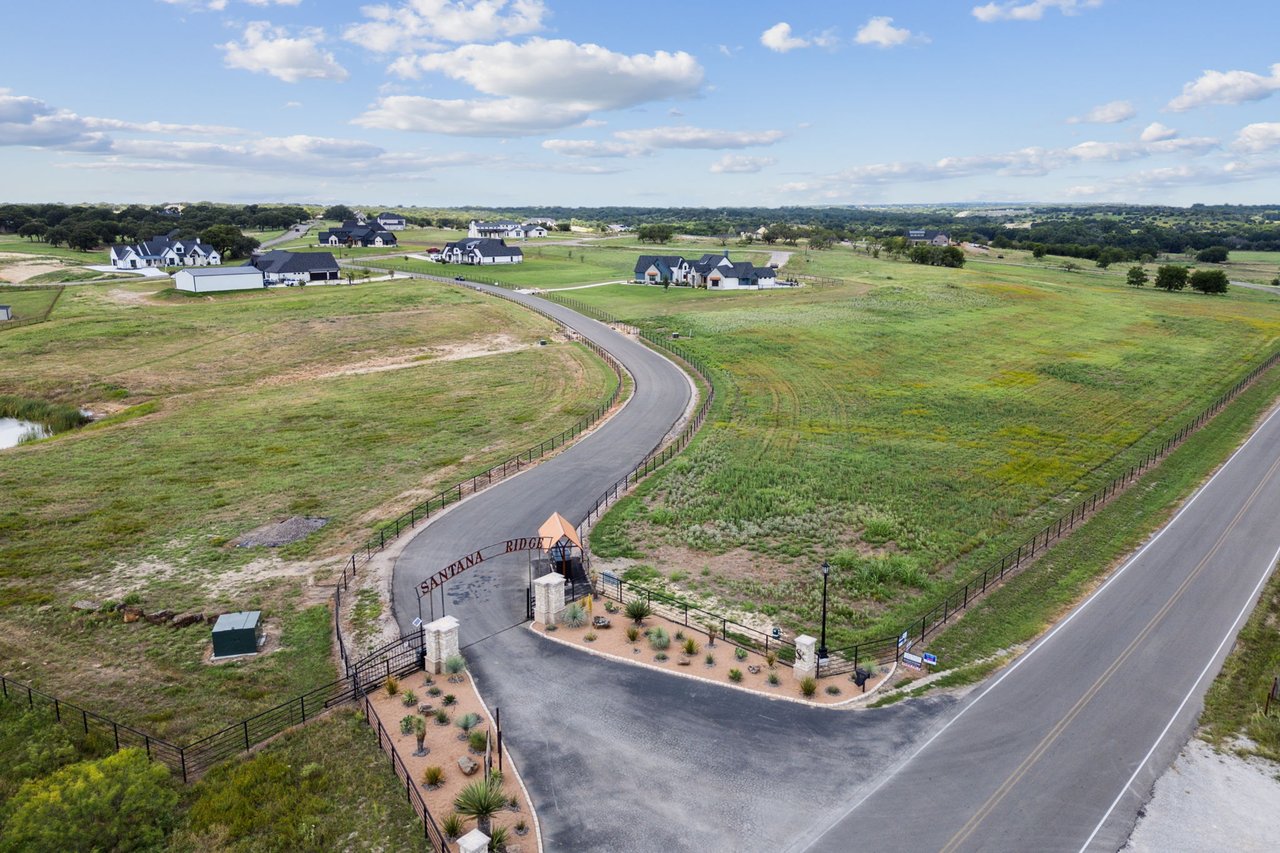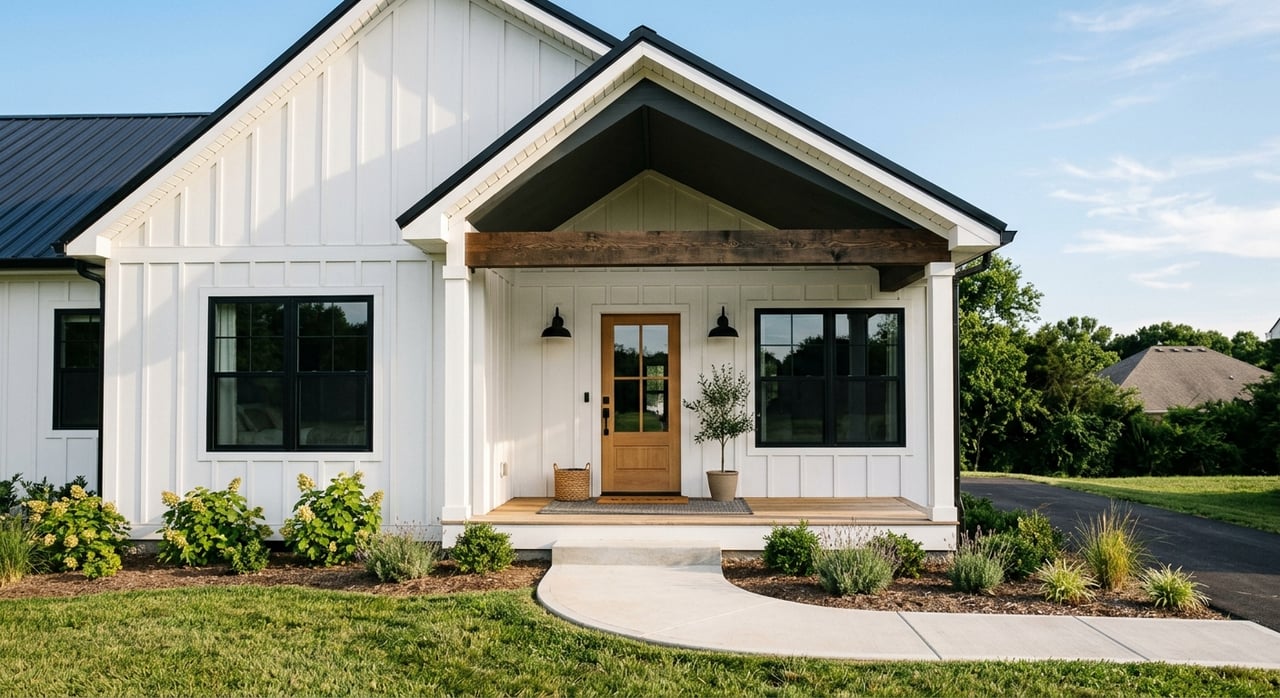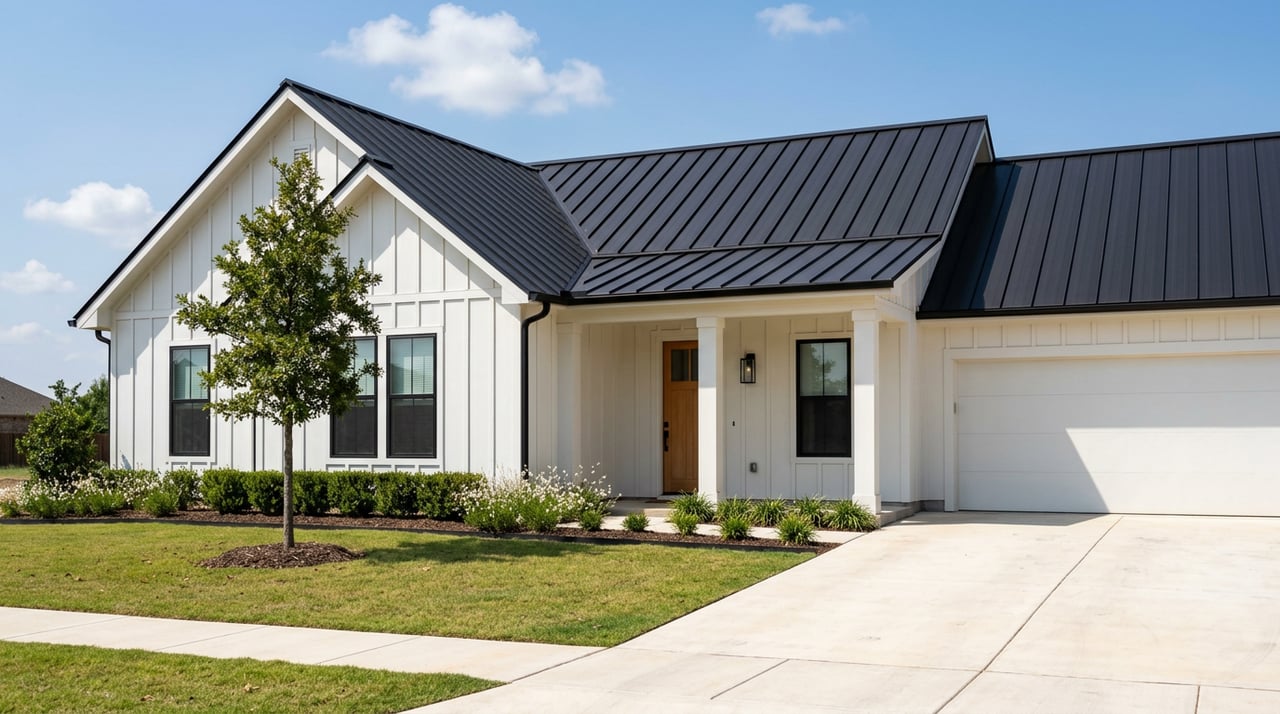
Thinking about building on acreage in Santana Ridge? It is easy to picture the finished home, barn, shop, or outdoor space before you know whether your exact lot can support that plan. In a Weatherford-area ETJ community like Santana Ridge, the smartest move is to verify the details first so you can build with fewer surprises. Let’s walk through the steps and considerations that matter most.
Why lot-specific checks matter in Santana Ridge
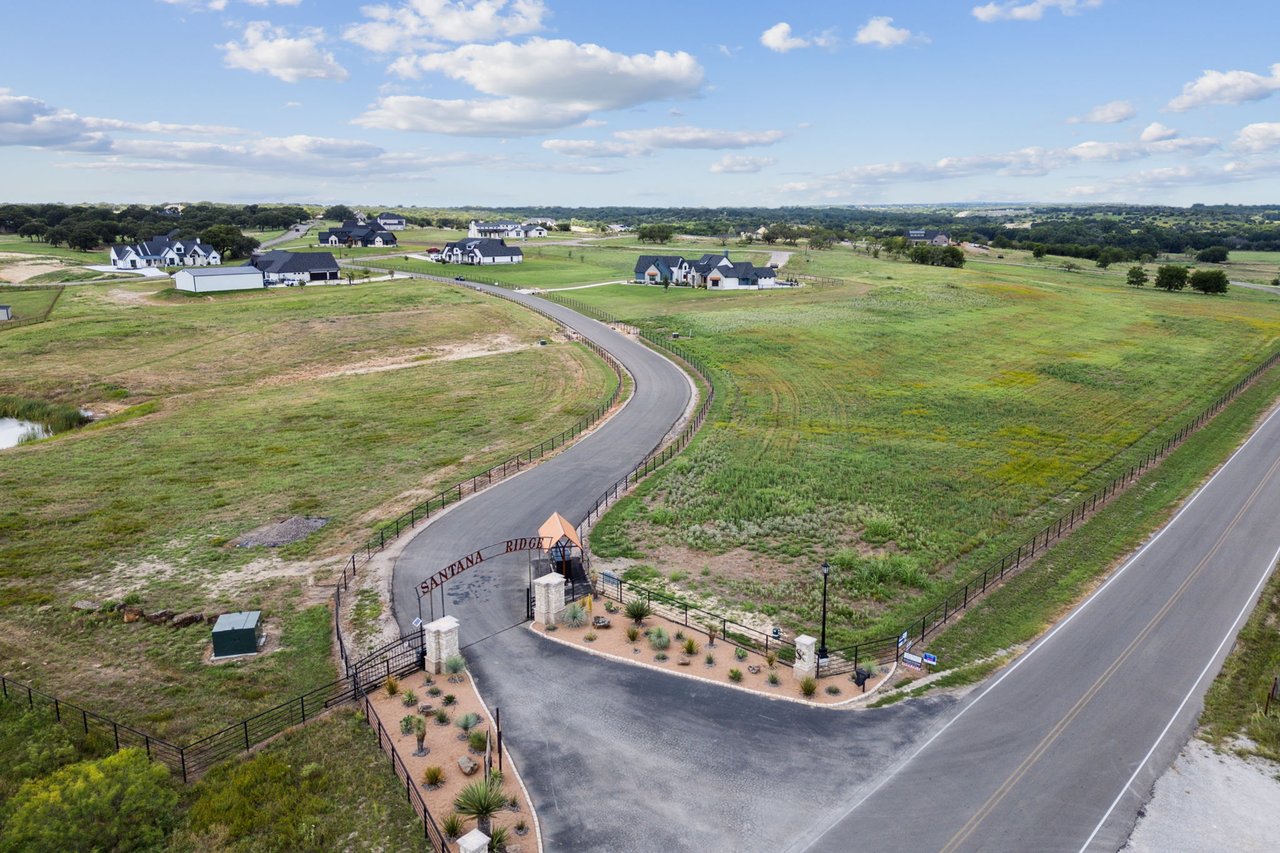
Santana Ridge has been described as a 245-acre development with 118 two-acre lots, along with paved roads, underground utilities, and fiber optics. Public materials also point to Santana Ridge as a Weatherford ETJ single-family project rather than a standard in-town subdivision.
That matters because ETJ acreage communities often involve a different approval path than a home inside city limits. Instead of assuming every lot works the same way, you will want to confirm the exact phase, plat status, utility setup, access, and restrictions tied to your specific property.
Understand the local approval path
One of the biggest points of confusion for acreage buyers is permitting. In unincorporated Parker County, the county does not issue building permits or certificates of occupancy, and there are no zoning requirements in the unincorporated county.
What Parker County does regulate includes subdivision platting, on-site sewage facilities, floodplain development, and stormwater. If your lot is in the Weatherford ETJ, city coordination can also come into play during platting and development review.
ETJ status can affect your timeline
For ETJ property, Parker County states that the platting process is handled alongside the city’s process. The developer must obtain city plat approval before the county gives final approval.
If a tract still needs a new plat or a replat, that can add time, paperwork, and fees. Parker County’s current platting fees are $200 for 1 to 4 lots, $400 for 5 to 19 lots, and $800 for 20 or more lots, plus filing costs and certain revision fees.
The permit clock is not usually the hard part
A complete septic or floodplain application may be acted on quickly by the county. Parker County says complete septic applications are typically approved or denied within five days, and problem resolution can take longer if documents or site conditions need more review.
In real life, delays often come from missing surveys, unclear access, utility questions, or restrictions that were never fully reviewed at the start. That is why upfront due diligence matters so much when you are buying land to build on.
Confirm water, septic, and utility service early
Acreage buyers sometimes assume that if a community looks polished, public utilities will be simple. In Santana Ridge, that is not something you should assume without verifying your lot.
Parker County agenda materials described Santana Ridge Phase 2 as being in the Weatherford ETJ with well water. County subdivision rules also require utility serviceability letters or documentation showing that no service is available within 300 feet and that lots are suitable for private wells.
Private well planning
If your lot will rely on a private well, confirm that early. Parker County falls under the Upper Trinity Groundwater Conservation District, so buyers planning to drill a well should review district requirements before moving forward.
This step can affect your site plan, timeline, and budget. It is much better to understand the groundwater rules before you finalize your design than after construction planning is already underway.
Septic requirements
If your lot needs an on-site sewage system, Parker County requires a site and soil evaluation by a licensed evaluator. The septic design must also be prepared by a licensed installer, sanitarian, or engineer, and the application must include a copy of the plat or survey.
The current septic permit fee is $480. Parker County also states that no physical parts of the system may be installed until approval is confirmed.
For aerobic systems, there are extra requirements, including a maintenance contract and affidavit. If your dream layout depends on a certain house footprint, pool location, or accessory structure, make sure your septic layout works with that plan.
Review floodplain and drainage conditions
Even if a lot looks dry when you visit, you still need to check drainage and floodplain status. This is especially important on acreage where building envelopes, driveways, and outbuildings may stretch across more of the property.
If your lot is in or near a floodplain, Parker County requires a scaled site plan, elevation data, and a lowest floor set at least two feet above base flood elevation. The county’s floodplain permit fee is $200, and a no-rise certificate is required for development in a regulatory floodway.
Why this step matters
Floodplain review can affect where you place the home, driveway, shop, barn, and septic system. It can also add engineering costs and design changes that are much easier to handle before plans are finalized.
A quick check on a map is not enough for a major build decision. You want the recorded documents, survey details, and any required site data in hand.
Verify driveway access and county road issues
Access can look simple until you start planning construction vehicles, culverts, drainage, and the finished driveway. If your access involves a county road or county right-of-way, Parker County says the precinct commissioner determines culvert needs.
Driveways must not block natural drainage, and the finished driveway portion has to meet county width standards. The county also restricts fences, landscaping, and signs within county right-of-way.
This can affect your budget more than many buyers expect. A long driveway, culvert work, and drainage corrections can become a meaningful part of your total build cost.
Do not rely on marketing copy alone
Santana Ridge’s marketing mentions a ranch lifestyle and says horses and stables are welcomed. That may sound ideal if you want room for outbuildings or livestock-related improvements, but marketing language is not the same as the recorded rules that govern your lot.
Parker County states that subdivision restrictions, if applicable, must be submitted with the final plat, but the county is not responsible for enforcing them. In practice, that means the recorded plat, deed restrictions, and any HOA documents are the key sources to review.
Restrictions may control more than you think
Before you buy, verify whether the recorded restrictions address:
- Barns and stables
- Workshops or detached garages
- Exterior materials
- Setbacks and building lines
- Fencing
- Parking or equipment storage
- Livestock-related uses
This is one of the most important steps for land buyers in Parker County. If your build vision includes more than just the main house, the restrictions need to support that vision from day one.
Budget for the right cost buckets
Public fees are only part of the picture when you build on acreage. Known public costs may include the $480 septic permit, the $200 floodplain permit if needed, Parker County platting fees, and any Weatherford ETJ-related processing fees if your parcel still needs city review.
Weatherford’s current fee schedule also lists a $500 petition to release from ETJ, along with plat and site-development fees when the city performs those services. Whether those apply depends on the specific parcel and process.
Common acreage build costs to plan for
Beyond public fees, many buyers should also budget for:
- Survey and title work
- Well drilling and pump equipment
- Septic installation
- Driveway and culvert work
- Utility extensions
- Floodplain engineering if applicable
These items can vary widely by lot. The main goal is to uncover them early, not after you are emotionally committed to a plan that may need major revisions.
A practical checklist before you buy
If you are considering building in Santana Ridge, a clear checklist can keep you focused on the right questions.
Start with these verification steps
- Confirm the exact lot and phase
- Verify whether the tract is already platted or needs a replat
- Review the recorded plat and deed restrictions
- Ask whether HOA documents apply and get a full copy
- Confirm water source, including any private well expectations
- Check septic feasibility and site/soil requirements
- Review floodplain and drainage conditions
- Confirm driveway access and culvert requirements
- Identify any ETJ-related review or fees
- Budget for lot-specific improvement costs
This process may sound detailed, but it can save you time, money, and stress. The best acreage purchases usually happen when your due diligence is just as strong as your design vision.
Why local guidance helps on acreage purchases
Buying a lot to build on is different from buying an existing home. You are not just evaluating the land itself. You are also evaluating the path to a finished homesite.
That is where local guidance can make a big difference. When you work with an agent who understands Parker County acreage, ETJ questions, and lot-level due diligence, you are more likely to spot issues before they become expensive surprises.
If you are exploring land or acreage in Parker County and want a clear, step-by-step plan, Anabel Wright can help you evaluate the details that matter before you move forward.
FAQs
Is Santana Ridge inside Weatherford city limits?
- Public materials point to Santana Ridge being in the Weatherford ETJ rather than inside Weatherford city limits.
Do you need a building permit from Parker County for a home in Santana Ridge?
- No. Parker County says it does not issue building permits or certificates of occupancy in unincorporated Parker County.
Does every Santana Ridge lot have public water and sewer?
- Do not assume that. Public materials for Santana Ridge Phase 2 referenced well water, and Parker County’s septic rules show that on-site sewage approval is a standard part of the process.
Can you build a barn or workshop in Santana Ridge?
- Maybe, but you need to verify the recorded plat, deed restrictions, and any HOA documents for your specific lot before assuming those structures are allowed.
What permits matter most when building on acreage in Parker County?
- The most common lot-level items to verify are septic approval, floodplain review if applicable, platting status, utility serviceability, and access requirements.
How long does septic approval take in Parker County?
- Parker County says complete septic applications are typically approved or denied within five days, although resolving issues can take longer if the application is incomplete or the site has complications.